
Understanding the Core Differences: Landing Page vs. Website
Right then, let’s get this sorted. You’ve got a business in Ireland, and you’re thinking about your online presence. Two big players often come up: the landing page and the full website. They sound similar, maybe, but they’re actually quite different beasts, and knowing which is which is pretty important for getting things done online.
What is a Landing Page?
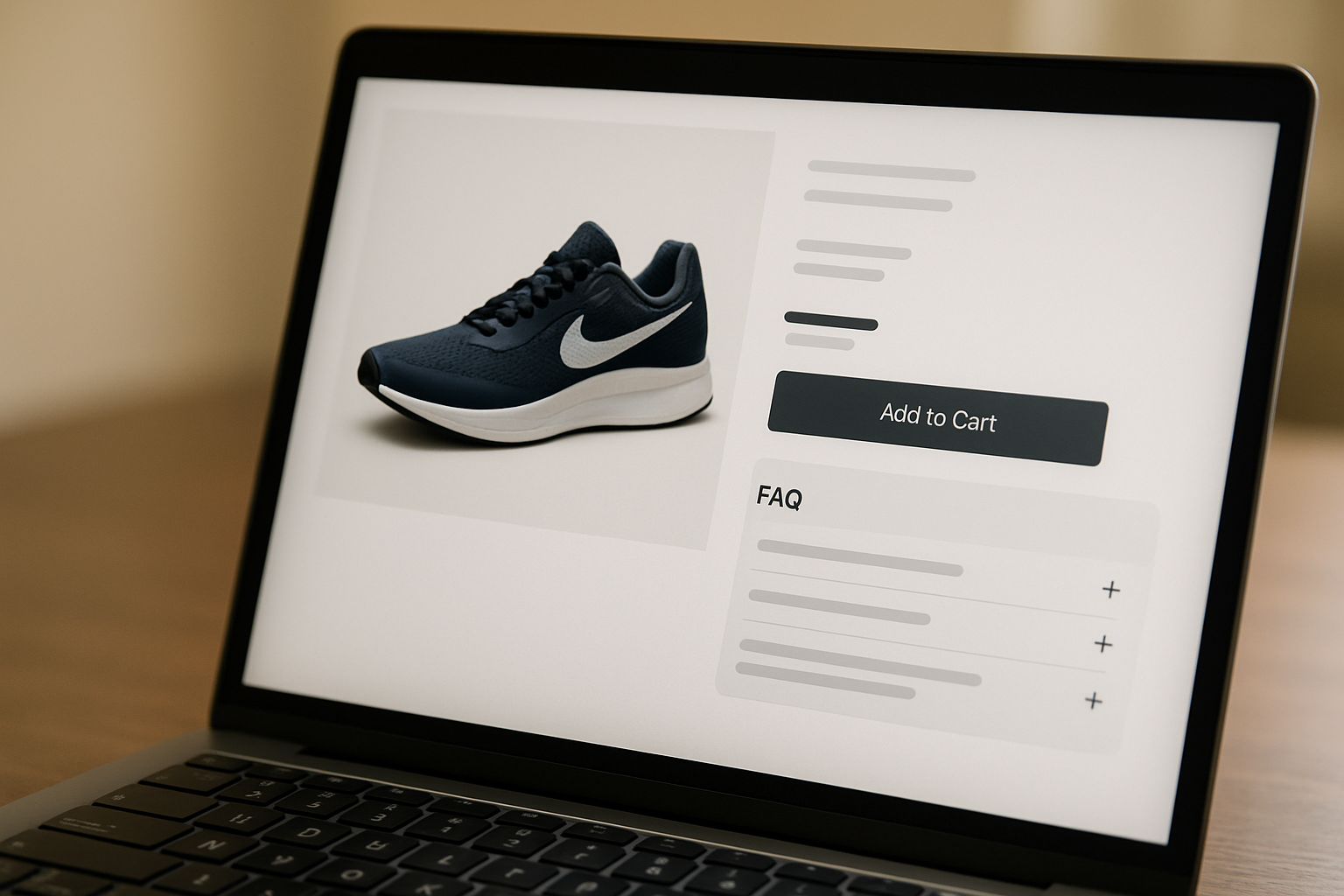
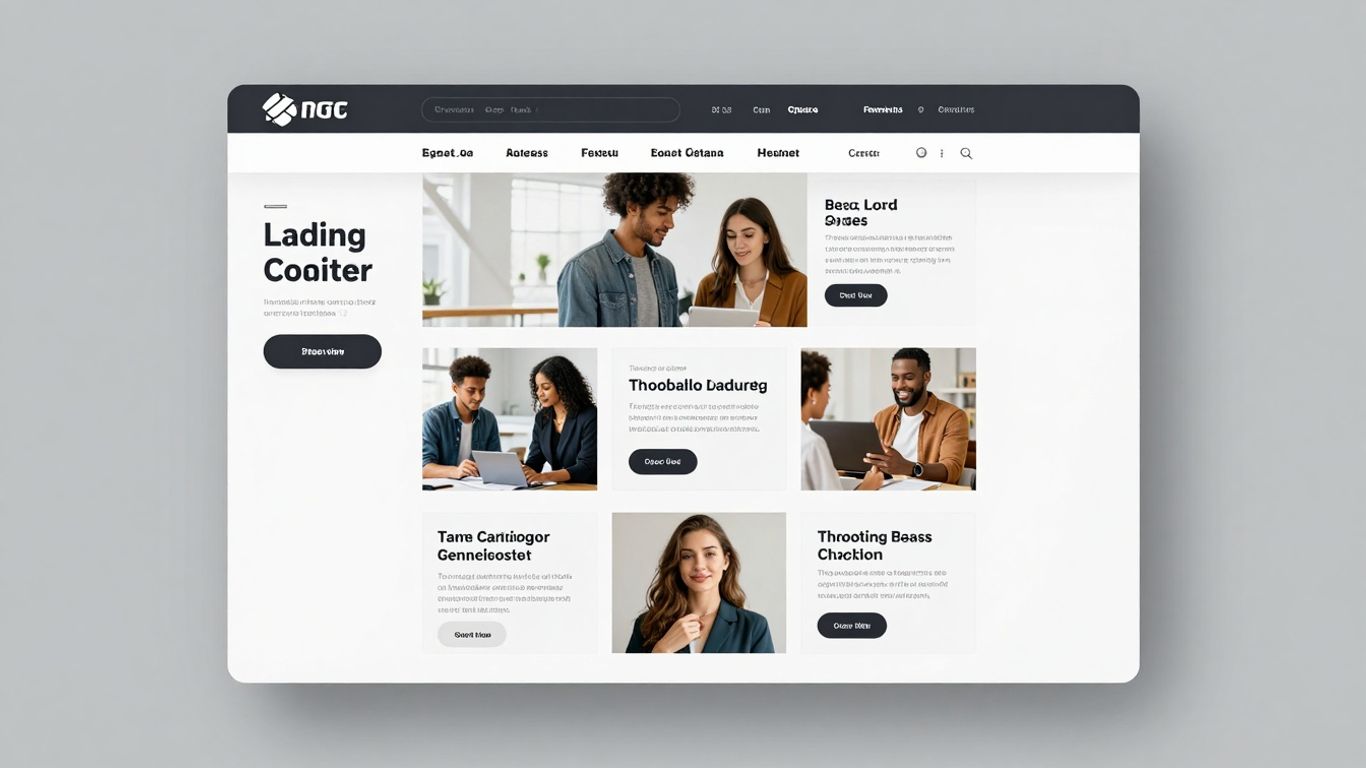
Think of a landing page as a specialist. It’s designed with one single purpose in mind, and that’s it. Usually, that purpose is to get someone to do a specific thing, like sign up for a newsletter, download a guide, or buy a particular product. It’s not meant for browsing; it’s meant for action. All the elements on a landing page are there to push you towards that one goal. You won’t find a lot of extra links or pages to get lost in. It’s focused, direct, and usually linked to a specific marketing effort, like an advert you saw on Facebook or a link in an email.
What is a Full Website?
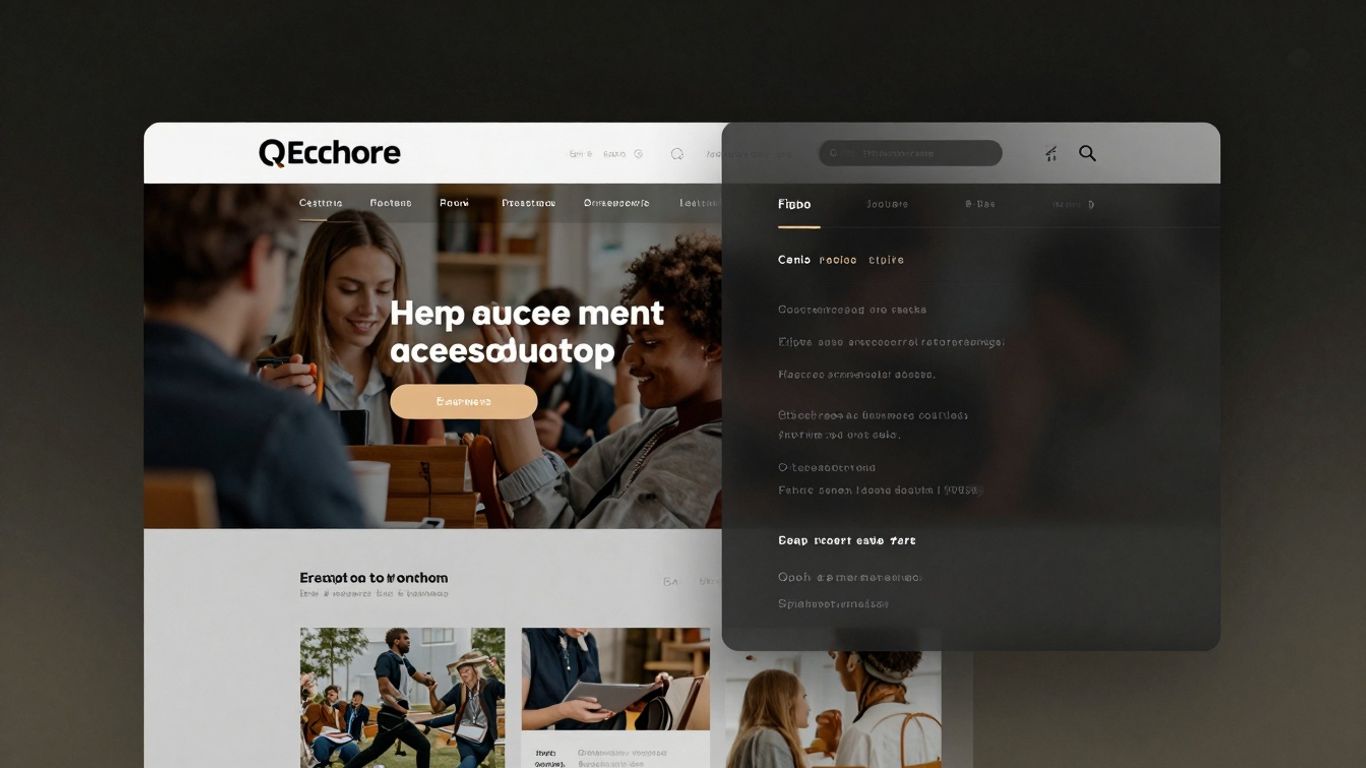
A full website, on the other hand, is more like a whole shop. It’s got different sections, pages for different things – an ‘About Us’ page, a ‘Contact’ page, maybe a blog, and pages for all your different products or services. It’s designed to give people a broader picture of your business. Visitors can explore, learn about your company’s history, see all the different things you offer, and generally get a feel for who you are. It’s your main online home, where people can find out pretty much anything they might want to know about your business.
Here’s a quick way to think about it:
- Landing Page: A single, focused tool for a specific job.
- Full Website: A collection of pages providing a complete overview of your business.
The key difference really boils down to focus. A landing page is like a sniper rifle, precise and aimed at one target. A website is more like a shotgun, covering a wider area and offering more options, but perhaps with less immediate impact on a single objective.
Why This Matters for Irish Local Businesses
So, why should you, as a local business owner in Ireland, really care about the difference between a landing page and a full website? It boils down to getting more bang for your buck and making sure you’re talking to the right people at the right time. Think of it like this: you wouldn’t use a sledgehammer to crack a nut, would you? The same applies to your online presence.
Targeting Specific Goals: The Power of Landing Pages
Landing pages are brilliant for when you’ve got a very specific job you want people to do. Maybe you’re running a Facebook ad campaign for a new craft beer at your pub in Galway, or perhaps you’ve got a special offer on car servicing in Cork this month. A landing page is designed to do one thing and one thing only: get someone to take that one action. It cuts out all the distractions. No endless menus, no ‘About Us’ page to get lost in – just a clear call to action. This focused approach means you’re much more likely to see results from your marketing efforts, whether that’s getting sign-ups for a newsletter or convincing someone to book an appointment.
- Focus on a single objective: Reduces user confusion.
- Higher conversion rates: Because there are fewer distractions.
- Measurable results: Easier to track exactly how well a specific campaign is doing.
- Tailored messaging: You can speak directly to the audience of a particular ad or promotion.
For a local business, especially one with a tight marketing budget, the ability to run highly targeted campaigns that yield clear, measurable results is a game-changer. It means less wasted spend and more customers walking through your door or picking up the phone.
Building Brand Authority: The Role of a Full Website
Now, a full website is a different beast altogether. It’s your digital shopfront, your online headquarters. It’s where people go to get the full picture of who you are, what you do, and why they should trust you. For an Irish business, especially one that relies on local reputation and word-of-mouth, having a solid, professional website builds credibility. It shows you’re serious about your business. People in Ireland often check online reviews and look at a business’s website to gauge its legitimacy. A well-designed website, with clear information about your services, your team, your history, and maybe even some customer testimonials, acts as a powerful trust signal. It’s not just about making a sale today; it’s about building a lasting relationship with your community and establishing yourself as a reliable local provider.
- Establishes credibility: A professional site signals trustworthiness.
- Provides detailed information: Covers all aspects of your business.
- Supports SEO efforts: A larger site with more content can rank for a wider range of searches.
- Acts as a central hub: All your online activities can point back here.
Ultimately, the choice between a landing page and a full website depends on your immediate goals and your long-term vision for your Irish business.
When to Choose a Landing Page for Your Irish Business
So, you’re wondering if a landing page is the right move for your local Irish business. It’s a fair question, especially when you’re trying to figure out the best online presence for small Irish business. While a full website is great for a broad overview, a landing page is a bit like a specialist – it’s designed for one very specific job, and it does it really well. This makes it a fantastic tool when you need to focus your efforts and get a direct result. If you’re asking yourself ‘should my local business have a website or landing page?’, consider these scenarios.
Running Targeted Ad Campaigns
If you’re spending money on ads, whether it’s Google Ads, Facebook, or even local newspaper inserts with a web address, you want those clicks to count. Sending ad traffic to your main website homepage can be a bit like throwing people into a busy shop with no clear direction. A landing page, on the other hand, is built specifically for the ad’s message. It matches the ad’s promise, so if your ad is for ‘20% off all plumbing services this week’, the landing page should immediately show that offer. This clarity helps turn ad viewers into actual customers. It’s a key part of getting customers online in Ireland for small businesses.
Promoting a Specific Product or Service
Let’s say you’re a bakery in Cork and you’ve just created a new range of gluten-free scones. Instead of updating your entire website, you can create a dedicated landing page just for these scones. It can showcase mouth-watering photos, list all the ingredients, explain why they’re so delicious, and have a clear ‘Order Now’ button. This focused approach is much more effective than burying the information on a general website. It’s a prime example of which is better for a local Irish service business: a landing page or a website, when you have something specific to push.
Collecting Leads for Special Offers
This is where landing pages really shine for lead generation landing pages in Ireland. Imagine you’re a solicitor in Galway offering a free initial consultation for wills. Your landing page would highlight the benefits of getting your will sorted, explain the offer clearly, and then present a simple form for people to fill in their contact details. You’re not asking them to browse your entire range of legal services; you’re asking them to take one specific action – sign up for the consultation. This is a much simpler ask and makes it easier to gather contact information from interested people. It’s a smart way to build a list of potential clients for future follow-up, making it a great option for a one-page website vs. full site for Irish SMEs looking to grow their client base efficiently.
When a Full Website is the Better Investment
While a landing page is brilliant for specific, short-term goals, sometimes you just need the whole shebang. For many Irish local businesses, a full website is the bedrock of their online presence. It’s not just about having a digital shop window; it’s about building a lasting brand and providing a deep well of information for your customers.
Establishing a Comprehensive Online Presence
Think about it: a full website is your business’s digital home. It’s where potential customers go to get the full picture. Unlike a single landing page, a website can house multiple pages detailing your services, your story, your team, and even a blog to share your expertise. This depth is what builds trust and authority. If you’re aiming for long-term growth and want to be seen as a serious player in your local market, a full website is the way to go. It allows for a much richer user experience, giving people all the information they need without having to click away to different platforms.
When you’re comparing a one page website vs full website, the latter offers scalability. You can start with the basics and add more sections as your business evolves. This is particularly important for Irish businesses looking to expand their offerings or reach new customer segments over time. A well-structured website can also significantly improve your search engine rankings, making it easier for local customers to find you when they’re searching online. Remember, 80% of Irish consumers use search engines to find local businesses, so a strong website is key.
Here’s a quick look at what a full website typically includes:
- Homepage: Your digital welcome mat, introducing your business.
- About Us Page: Share your story, your values, and your team.
- Services/Products Pages: Detailed descriptions of what you offer.
- Contact Page: Clear ways for customers to get in touch.
- Blog/News Section: Share updates, tips, and industry insights.
- Testimonials/Portfolio: Showcase your past successes.
Investing in a professional website is more than just a cost; it’s a strategic move. It’s about creating a robust platform that supports your business objectives, builds customer loyalty, and positions you for sustained success in Ireland’s competitive digital landscape. Don’t underestimate the power of a well-designed, informative website to make a lasting impression.
Ongoing costs for a website can vary, but it’s wise to budget for things like domain registration, hosting, and potential maintenance. Many Irish web design professionals offer care packages that bundle these services, typically ranging from €79 per month, which can be a sensible investment to keep your site running smoothly and securely. This ensures your digital presence remains effective and up-to-date, supporting your building an Irish brand online efforts.
Sometimes, a simple landing page just won’t cut it. If you’re aiming for big goals and need a strong online presence, investing in a full website is the way to go. It gives you more space to show off what you do and connect with your audience. Ready to build something amazing? Visit our website today to see how we can help you make a splash online!
Frequently Asked Questions
What's the main difference between a landing page and a full website?
Think of a landing page like a special flyer for one thing, like a sale or a new product. It has one job: get you to do a specific action, like sign up or buy. A full website is more like your shop on the high street – it has lots of different sections for everything you do, tells people about your whole business, and builds trust.
When should an Irish business use a landing page instead of a full website?
Landing pages are brilliant for when you’re running ads, like on social media or Google. They’re also great if you’re promoting just one specific service or product, or if you want to collect details from people interested in a special offer. It keeps things focused and helps you get more of what you want.
Why is a full website important for local Irish businesses?
A full website is your digital shopfront. It shows people you’re a real, established business. It’s where people can learn all about you, see your range of services, and build confidence in choosing you over a competitor. It’s essential for showing you’re serious and professional.
Can landing pages help my business get found on Google in Ireland?
Yes, they can! If you make your landing page smart for search engines (that’s SEO), it can appear in local search results. This is super helpful for small businesses to get noticed by people nearby who are actively looking for what you offer.
How important is a mobile-friendly design for my Irish business's website or landing page?
It’s incredibly important! Most people in Ireland search for things on their phones. If your page doesn’t look good or work well on a phone, visitors will leave straight away. Making sure it works perfectly on all devices is a must.
How many landing pages should my business have?
It really depends on what you’re trying to achieve. If you offer many different services or products, it’s often best to have a separate, focused landing page for each one. This way, each page can be perfectly tailored to attract the right people.
Should I use the same keywords on all my landing pages?
It’s generally better to use different, specific keywords for each landing page. If you use the same ones everywhere, your own pages might end up competing against each other in search results. Tailoring keywords makes each page stronger.
How do I know if my landing page is working well?
You need to track how people are using it. Look at things like how many people visit, how long they stay, and most importantly, how many take the action you want them to (like filling out a form or calling). This helps you see what’s working and what needs a tweak.