
Right then, Google’s changing things up with AI Overviews, and if you’re running a business in Ireland, you’ll want to know about it. It’s a bit like when search engines first started - those who paid attention early on did much better. Now, it’s happening again. People are asking AI questions instead of just typing keywords, and if your business isn’t showing up in those AI answers, you might just get missed. This article is about getting your site ready so you don’t get left behind. We’ll look at what’s changed and what you can actually do.
Key Takeaways
- Google’s AI Overviews mean people get direct answers, not just links. Your business needs to be part of those answers.
- Focus on making your website content really good, clear, and helpful. AI likes that.
- Use structured data (like Schema markup) to help AI understand exactly what your business does and offers.
- Make sure your website works well on phones and loads quickly. It’s still important.
- Show that your business knows its stuff and is trustworthy. Reviews and clear info help a lot.
- Keep an eye on how AI search affects your site. Things change, so you need to adapt.
- Think of this as the next step after SEO. Preparing now gives you an edge.
- Don’t wait; start making your site AI-friendly today to stay visible to customers.
Understanding Google's AI Overviews and Their Impact

Right then, let’s talk about these new AI Overviews from Google. You’ve probably seen them popping up already, especially if you’re searching for things in Ireland. They’re basically Google’s way of trying to give you a direct answer to your question, right there at the top of the search results, without you even needing to click on a link. It’s a pretty big shift, and it’s definitely something Irish businesses need to get their heads around.
What Are AI Overviews?
Think of them as a super-quick summary generated by AI. Instead of just showing you a list of websites, Google reads through various sources and pulls out what it thinks is the most relevant information to answer your query. It’s like having a very knowledgeable, albeit sometimes a bit quirky, assistant who can summarise a whole bunch of articles in seconds. This means the first thing people see might not be your website at all, but a summary created by Google. It’s a new way of presenting information, and it’s changing how people find answers online.
Why Should Irish Businesses Care?
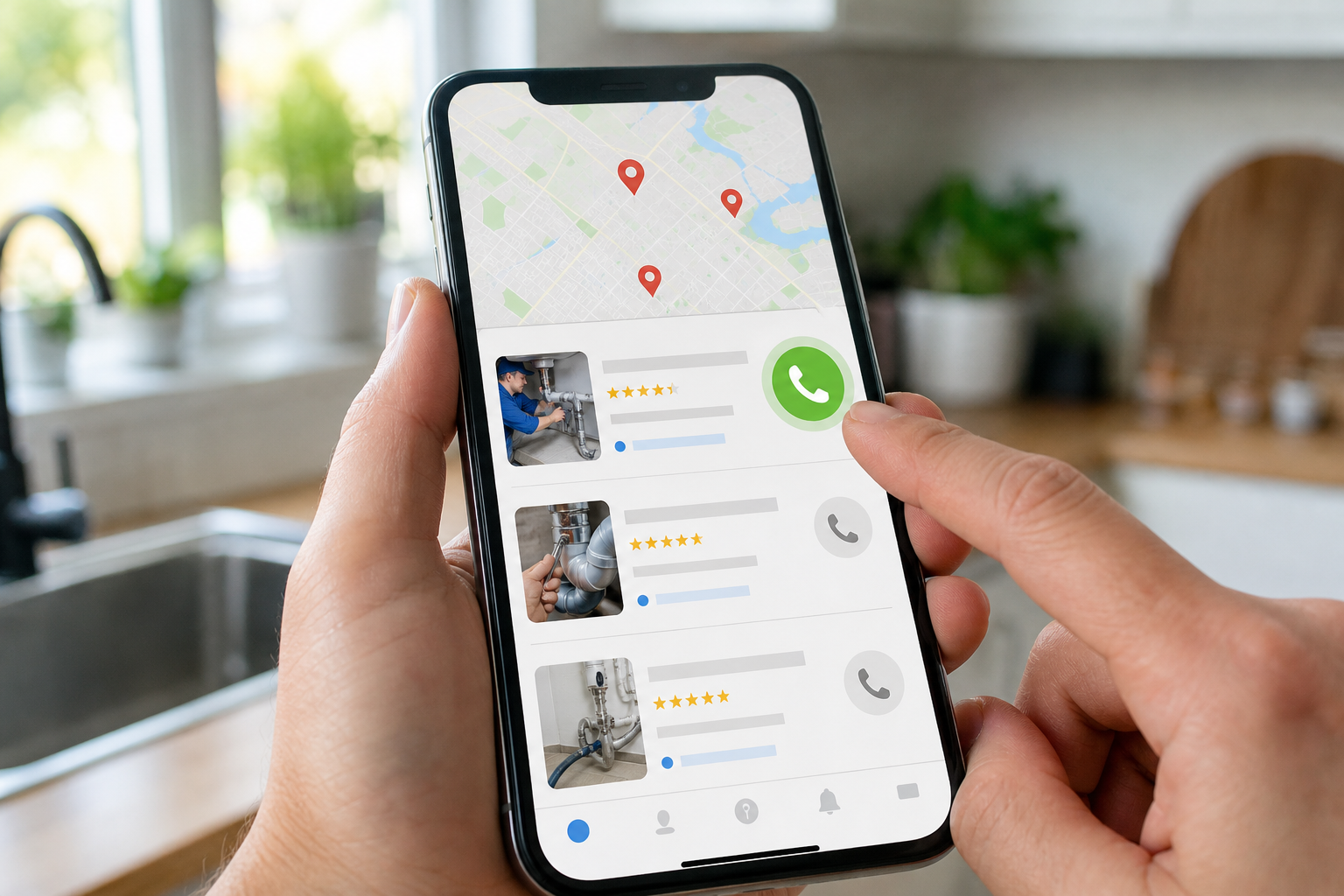
This is where it gets interesting for businesses here in Ireland. If people are getting their answers directly from Google’s AI, they might not click through to your site as much. This could mean less traffic, fewer potential customers seeing what you offer, and a real change in how your online brand is perceived. It’s not just about general searches either; for local queries, like "best cafe in Cork" or "emergency plumber Dublin", an AI Overview could be the first and only thing a potential customer sees. If your business details aren’t easily understood by the AI, you could become invisible when someone needs you most. The whole landscape of adapting to AI in search results is shifting, and understanding these Ireland SEO AI changes is key for survival and growth in AI Ireland. The Google AI impact on business websites is real, and ignoring it isn’t an option.
Here’s a quick look at what’s changing:
- Direct Answers: AI Overviews provide immediate answers, potentially reducing clicks to websites.
- Local Search Impact: Local businesses need to ensure their information is AI-friendly for queries like "services near me".
- Information Synthesis: Google’s AI aggregates information, meaning your content needs to be clear and authoritative to be included.
It’s easy to get caught up in the technical details, but at its heart, this is about making sure people can find you when they need you. If Google’s AI is the new gatekeeper, we need to make sure we’re on its good side.
Key Strategies for Optimising Your Content

Right then, let’s talk about making your website work better with Google’s new AI Overviews. It’s not about doing anything too complicated, just smart adjustments to how you put your content out there. The goal is to make sure your site is seen as a reliable source, not just another page on the internet. This is all part of future proofing Irish websites for Google.
Focus on High-Quality, Authoritative Content
This is probably the most important bit. Forget just churning out words; think about what people actually need to know. Google’s AI is getting pretty good at spotting content that’s just rehashed or doesn’t really help. You need to be the go-to source for your specific area. Think about what makes your business unique. Do you have years of experience in a particular trade? Have you dealt with a specific local issue that others haven’t? That’s the stuff AI can’t easily replicate. Instead of just saying "we offer accounting services", try something like "how Irish small businesses can navigate the new VAT changes for 2026". It’s more specific, more helpful, and shows you know your stuff. This kind of content is what helps you optimise website for AI search.
Structure Your Content for Clarity and Readability
Imagine you’re explaining something complicated to a friend. You’d probably break it down into smaller bits, right? Do the same for your website. AI likes clear, organised information. This means:
- Start with the answer: If someone asks a question, give them a short, direct answer right at the beginning. Then, you can add more detail if they want to read on.
- Use headings and subheadings: Break up your text so it’s easy to scan. This helps both people and AI understand what each section is about.
- Keep sentences short and to the point: Long, rambling sentences can be hard to follow. Aim for one main idea per paragraph.
- Use lists: Bullet points or numbered lists are great for explaining steps or listing features.
Think about how you search for things yourself. You want a quick answer, not a novel. If you find what you need fast, you’re happy. If you have to dig around, you get frustrated and probably go elsewhere. Your customers are the same.
Leverage Structured Data (Schema Markup)
This might sound a bit technical, but it’s like giving Google a cheat sheet for your website. Structured data, or schema markup, is code you add to your site that tells search engines exactly what your content is about. For example, you can mark up your business information, your services, customer reviews, and even FAQs. This makes it much easier for AI to pull out specific pieces of information to use in its overviews. It’s a bit like labelling your ingredients in a recipe so everyone knows what’s what. It helps systems verify context and extract answers more accurately.
Ensure Mobile-Friendliness and Page Speed
This isn’t new, but it’s still super important. Most people in Ireland will be looking at your site on their phones. If it’s slow to load or looks messy on a small screen, they’re gone. AI also takes user experience into account. A site that’s clunky on mobile or takes ages to load isn’t going to be favoured. Make sure your website is responsive, meaning it adapts to any screen size, and that it loads as quickly as possible. You can check your site’s speed using tools like Google’s PageSpeed Insights. A fast, mobile-friendly site is a basic requirement these days.
Building Trust and Credibility
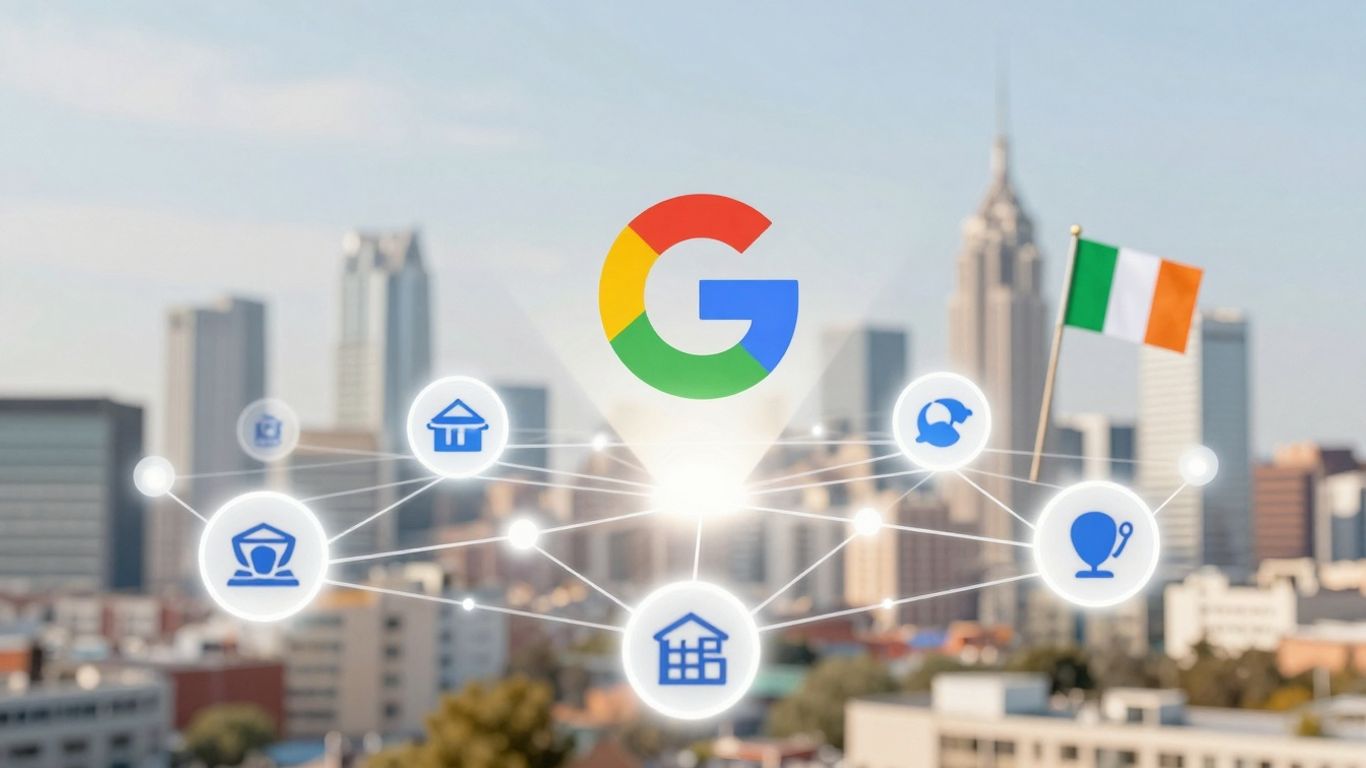
AI Overviews are designed to give users quick, reliable answers. For your business to be considered a trustworthy source, you need to show that you know your stuff and that people can depend on you. This means going beyond just having a website; it’s about proving your worth.
Showcasing Expertise, Authoritativeness, and Trustworthiness (E-E-A-T)
Think of E-E-A-T as your business’s report card for Google’s AI. It stands for Experience, Expertise, Authoritativeness, and Trustworthiness. To get a good grade, you need to demonstrate these qualities clearly. This isn’t just about saying you’re good at what you do; it’s about showing it.
- Experience: Have you or your team actually done the work you’re talking about? Share real-world examples, case studies, or even personal anecdotes from your projects. If you’re a plumber in Cork, talk about a specific tricky job you fixed, not just general plumbing tips.
- Expertise: Do you have the knowledge? This can be shown through qualifications, certifications, or simply by providing detailed, accurate information that others would struggle to replicate. Blog posts that explain complex services in simple terms, or guides on choosing the right product for a specific need, work well here.
- Authoritativeness: Are you recognised as a go-to source in your field? This comes from mentions in other reputable places, awards, or being a consistent provider of high-quality information. If local newspapers or industry blogs have featured your business, make sure that’s visible.
- Trustworthiness: Are you a reliable and honest business? This is built through clear contact information, transparent pricing (where applicable), secure websites, and positive customer feedback. Having an ‘About Us’ page that clearly states who you are and what your business stands for is also important.
Making your E-E-A-T visible means being upfront about who you are, what you do, and why you’re qualified. It’s about building a reputation that AI can recognise as solid and dependable.
Encouraging User Engagement and Reviews
What people say about you online matters a great deal to AI. Positive reviews and active engagement signal to AI that your business is well-regarded and actively used by customers. It’s like word-of-mouth, but for the digital age.
Here’s how to get more of it:
- Ask for Reviews: Don’t be shy. After a successful job or a good customer experience, politely ask your customers if they’d be willing to leave a review on Google, or relevant industry sites. Make it easy for them by providing a direct link.
- Respond to Feedback: Whether it’s a glowing review or a less-than-perfect one, respond thoughtfully. Thank customers for positive feedback. For constructive criticism, acknowledge the issue and explain what steps you’ve taken or will take to improve. This shows you care and are actively managing your business.
- Showcase Testimonials: Feature the best reviews and testimonials prominently on your website. Consider creating dedicated case study pages that detail a customer’s problem and how your business provided a successful solution. This provides concrete proof of your capabilities.
| Platform | Average Rating | Number of Reviews |
|---|---|---|
| Google Business | 4.8 | 150+ |
| Trustpilot | 4.5 | 75+ |
| 4.7 | 100+ |
Having a steady stream of detailed, positive reviews across different platforms can significantly boost your business’s perceived credibility in the eyes of AI systems.
Monitoring and Adapting to Changes

Right then, so you’ve put in the work to get your site ready for Google’s AI Overviews. That’s brilliant. But here’s the thing, this whole AI search landscape is always shifting. It’s not really a ‘set it and forget it’ kind of deal. Think of it more like tending a garden; you’ve got to keep an eye on it.
Regular checks are your best friend here. You need to be looking at your website’s performance week in, week out. What are you seeing in your analytics? Are your organic sessions holding steady? How about impressions and click-through rates? It’s worth breaking this down by page and even by service to see what’s working and what’s not. Are people finding you for the terms you expect, or has the mix changed? Sometimes traffic might dip, but if your calls or form submissions stay strong, it could mean you’re attracting more qualified visitors. That’s not necessarily a bad thing.
Here’s a quick rundown of what to keep an eye on:
- Performance Metrics: Track sessions, impressions, click-through rates (CTR), and average position. Segment this data by page and service.
- Conversion Data: Monitor calls, form submissions, and any other key actions users take on your site.
- AI Overview Mentions: See if your content is appearing in AI Overviews and how it’s being presented.
- User Behaviour: Look at time on page and bounce rates for key pages. High time on page but low conversions might signal a need for a clearer call to action.
If you notice pages with loads of impressions but not many clicks, that’s a sign. Maybe the headings aren’t quite right, or the answer block isn’t as clear as it could be. Similarly, if people are spending ages on a page but not getting in touch, the call to action or the form might be the culprit. It’s about spotting these little clues and making adjustments. This is where understanding your local AI visibility becomes really important.
The key is to treat AI readiness as an ongoing process. The algorithms and AI models are updated constantly. What works today might need a tweak tomorrow. Staying ahead means being observant and willing to refine your approach, both technically and with your content.
Don’t forget about the basics either. Traditional SEO tasks like regular audits, keyword research, and managing your backlink profile are still super important. They keep your site healthy and aligned with how search engines work, even with AI in the mix. It’s all part of keeping your business visible and relevant in the ever-changing digital world.
Don't Get Left Behind
So, we’ve talked about how AI is changing the way people search for things, and what you can do to make sure your business is seen. It might seem like a lot, but think back to when websites first became a thing, or when SEO started. The businesses that jumped on those early often did much better than those who waited. This is kind of like that. Getting your site ready for AI search now, by making your information clear and easy for AI to understand, is a smart move. It’s not about chasing every new tech trend, but about making sure your business can still be found by customers in the years to come. Start small, focus on clear content and accurate details, and you’ll be in a much better spot.
Frequently Asked Questions
What exactly are Google's AI Overviews?
Think of AI Overviews as Google’s smart way of giving you a quick answer right at the top of the search results. Instead of just showing a list of websites, it uses artificial intelligence to read through lots of information and create a summary or a direct answer to your question. It’s like having a helpful assistant summarise things for you.
Why should businesses in Ireland pay attention to AI Overviews?
Because the way people search is changing! If customers are asking AI for recommendations, and your business isn’t mentioned or easily understood by the AI, you might get missed. It’s like being invisible when people are looking for what you offer. Being ready for AI search is becoming as important as being found on Google used to be.
How is AI search different from normal Google search?
In normal Google search, you usually see a list of links and you click on them to find the information yourself. With AI search, the AI does a lot of that work for you. It reads the information and gives you a summary or a direct answer, often explaining why it’s recommending something. This means your content needs to be clear and trustworthy for the AI to pick it.
Will AI Overviews replace traditional search results completely?
Not likely. It’s more like they work together. Traditional search results will still be there, but AI Overviews will often appear first for many questions. So, you need to do both: make sure your website is good for regular search engines and also structured so AI can understand and use your content.
What's the most important thing for my Irish business to do first?
Focus on creating really good, helpful content that clearly answers questions your customers might ask. Make sure your website is easy to read and understand, not just for people, but for AI too. Think about making your information very clear and accurate.
What does 'structured data' mean for my website?
Structured data, or schema markup, is like giving your website a special label that helps search engines and AI understand exactly what your content is about. For example, you can label your business details, your services, or customer reviews. This makes it much easier for AI to find and use the right information about you.
How can I show that my business is trustworthy to AI?
AI looks for signs of expertise, authoritativeness, and trustworthiness (often called E-E-A-T). This means having clear information about who you are, what you do, and why you’re good at it. Showcasing customer reviews, testimonials, and any awards or qualifications you have helps build that trust.
Is having a mobile-friendly website still important?
Absolutely! Many people use their phones to search. AI tools also need to access your site easily, and a slow or difficult-to-use mobile site can make AI overlook you. Making sure your website loads quickly and works well on phones is crucial.
How do customer reviews affect my chances with AI Overviews?
Customer reviews are a big deal! AI uses them to understand how reliable and good your business is. Positive reviews help AI see your business as a trustworthy option. So, encouraging happy customers to leave reviews is a smart move.
What if I don't have a lot of technical knowledge?
That’s understandable. Many businesses feel the same. The key is to start with the basics: clear content, accurate business information, and encouraging reviews. You can also look for help from experts who understand how to make websites AI-friendly without needing you to become a tech wizard.
How can I tell if AI Overviews are affecting my website traffic?
It can be tricky to see a direct link. However, if you notice fewer people clicking on your website from Google searches, especially for questions where an AI Overview now appears, it’s a strong clue. Checking your website’s performance reports can help you spot these changes.
What's the biggest advantage of preparing for AI search now?
Getting ahead of the competition! Businesses that start adapting now will be better positioned to be found by customers using AI search in the future. It’s like being one of the first to use a new, popular tool - you gain a big advantage over those who wait.