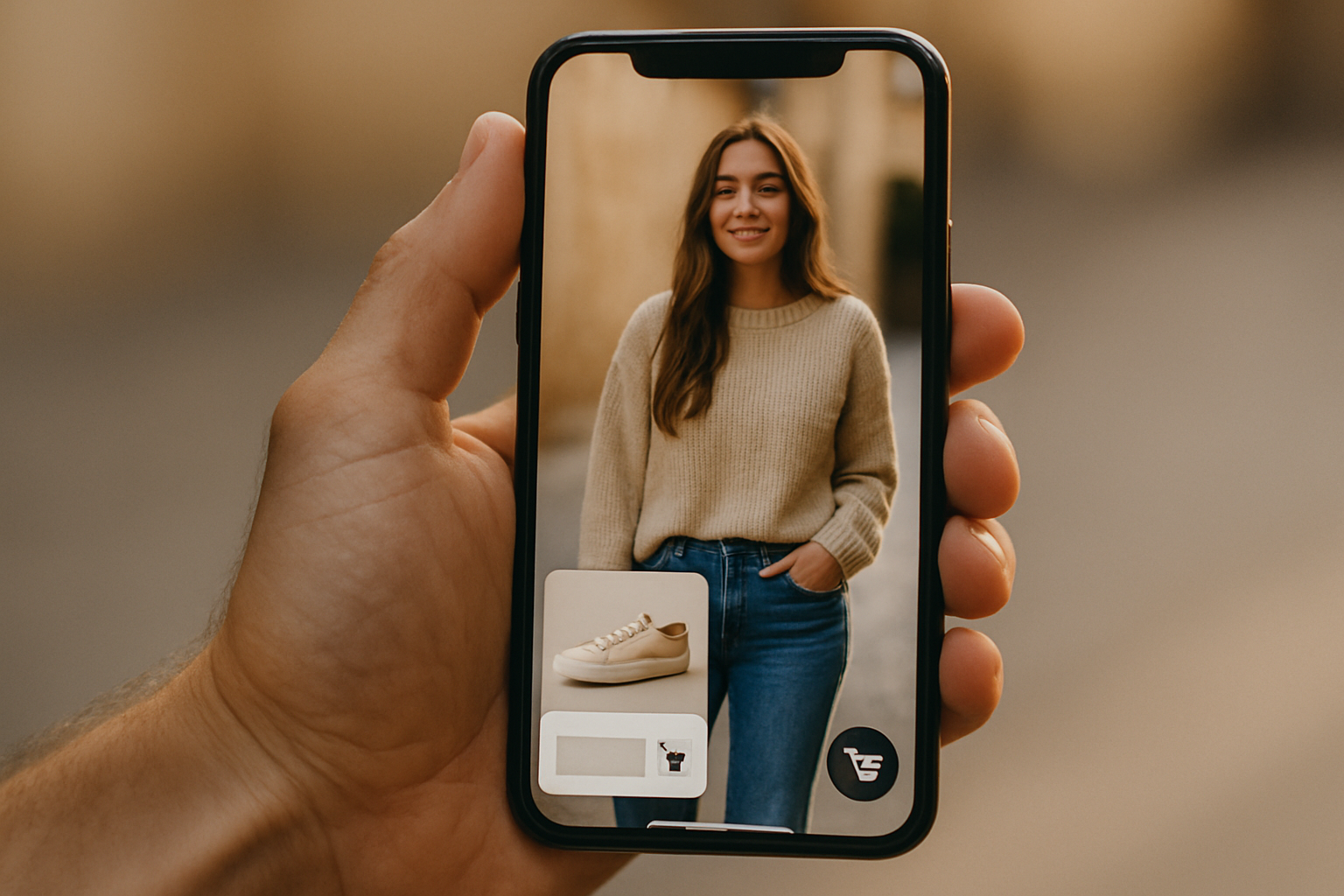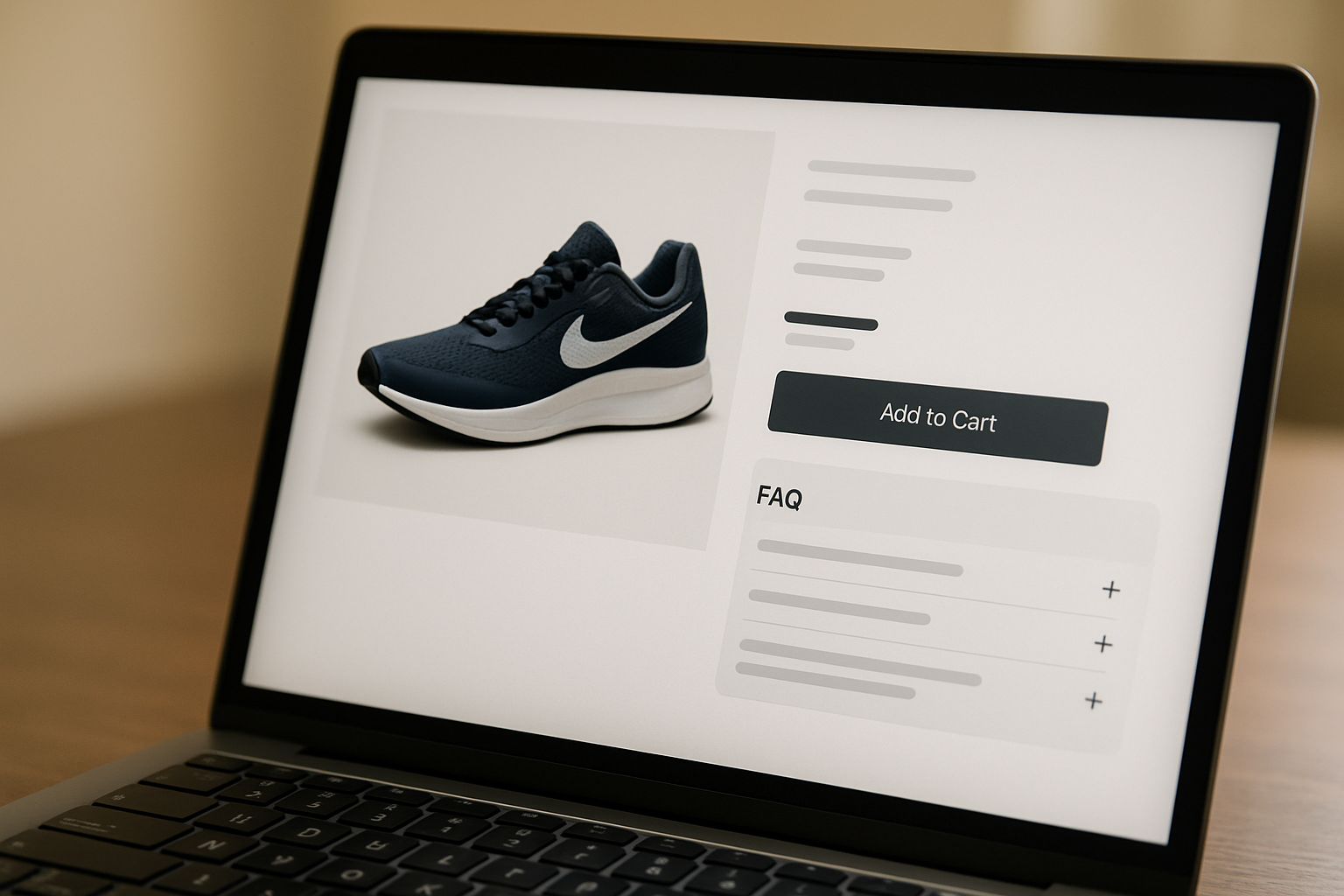

Right then, let’s talk about making your business’s website work better on phones and tablets. It’s 2026, and if your site isn’t playing nice with mobile devices, you’re probably missing out on a lot of customers here in Ireland. Think about it – most people are glued to their phones these days, right? So, getting your mobile website optimization ireland strategy sorted is pretty important. We’ll go through some straightforward tips to get your site ship-shape.
Key Takeaways
- Make sure your website loads super fast on phones. People won’t wait around if it’s slow.
- Your site needs to look good and work well on any screen size, from a tiny phone to a big tablet.
- Think about how easy it is for someone to use your site on their phone – finding things, clicking buttons, all that.
- Use location-specific words in your website content and Google Business Profile to attract local Irish customers.
- With more people using voice search, try to answer questions clearly and naturally in your content.
- Check how well your website is doing on mobile. Are people finding what they need? Are they getting in touch?
- Keep your website software and content up to date. It helps with speed and security.
- Using structured data (like schema markup) helps search engines understand your business and location better.
Why Mobile Optimization is Crucial for Irish Businesses in 2026
Right then, let’s talk about why getting your website sorted for phones and tablets is a really big deal for Irish businesses heading into 2026. It’s not just a nice-to-have anymore; it’s pretty much essential if you want to keep up.
Understanding the Irish Mobile User Landscape
Think about it – most people in Ireland are glued to their phones. We’re checking emails on the bus, looking up directions while out and about, or comparing prices while standing in a shop. Over 60% of searches in Ireland happen on mobile devices, and this number is only going up. If your website is a pain to use on a small screen, people will just leave. They’ll go somewhere else, probably a competitor, and you’ll miss out. This is especially true for local searches. Someone looking for a "cafe near me" in Cork or "plumber in Galway" expects to find what they need instantly on their phone. Ignoring mobile means you’re essentially shutting the door on a huge chunk of potential customers.
The way people search is changing fast. With more people using voice commands on their phones, the queries are becoming more conversational and location-specific. Businesses need to be ready for this shift.
The Impact of Mobile-First Indexing on Your Rankings
Google, the big search engine, has been using ‘mobile-first indexing’ for a while now. What this means is that Google primarily looks at the mobile version of your website to decide how to rank you. If your mobile site is slow, clunky, or doesn’t have all the information your desktop site does, your search rankings will suffer. It doesn’t matter how fancy your desktop site looks if the mobile experience is poor. This directly affects your visibility and, ultimately, your ability to increase mobile traffic Ireland. For small businesses, this can be a real hurdle, making SEO for small business websites Ireland more complex if mobile isn’t a priority. Getting your site right on mobile is key for good SEO for mobile users Ireland and helps with local SEO for Irish businesses too. If you’re looking for help with this, there are great responsive web design services Dublin can offer.
Key Areas for Mobile Website Optimization
When it comes to making your website work well on phones and tablets, there are a few big things to get right. It’s not just about looking okay; it’s about making it easy for people to use your site when they’re out and about. Getting these right can make a huge difference to how many people stick around and actually do what you want them to do.
Page Speed: The Unseen Bottleneck
Nobody likes waiting. If your website takes ages to load on a mobile device, people will just leave. It’s that simple. Slow loading times are a major turn-off and can really hurt your chances of getting found online. To improve mobile site speed Ireland, you need to look at a few things.
- Image Optimisation: Big image files are often the main culprits. Make sure your images are compressed and in the right format without losing too much quality.
- Code Cleanup: Too many plugins or bits of code can slow things down. Get rid of anything you don’t really need.
- Hosting: A good hosting provider makes a big difference. Cheaper options might save you money initially, but they can cost you in lost visitors.
Think of your website like a shop. If the door is hard to open and it takes ages to get to the counter, most people will just walk away before they even see what you’re selling.
Responsive Design: Adapting to Every Screen
Your website needs to look good and work properly no matter what size screen someone is using. This is what responsive design is all about. It means your site automatically adjusts its layout, images, and text to fit the device. This is pretty standard now, but it’s worth double-checking that yours is up to scratch. A site that’s not responsive feels clunky and unprofessional on a phone.
User Experience (UX) on Mobile Devices
This is all about making your site easy and pleasant to use on a small screen. It covers everything from how easy it is to tap buttons to how clear the text is. Here are some best mobile user experience tips:
- Clear Navigation: Menus should be simple and easy to find. People shouldn’t have to hunt for how to get around.
- Readable Text: Use fonts that are large enough to read without squinting, and make sure there’s enough space between lines.
- Tap Targets: Buttons and links need to be big enough to tap with a finger without accidentally hitting something else. Aim for at least 48×48 pixels.
- Simple Forms: If you have forms, make them short and easy to fill out on a mobile device. Use clear labels and avoid too many fields.
Mobile SEO Best Practices for Ireland
Making sure your site is found by people searching on their phones in Ireland involves a few specific things. Since so many searches happen on mobile, Google pays close attention to how well your site works for these users. This includes things like making sure your Google Business Profile is up-to-date with your local details and that your website content speaks to local needs. Using location-specific keywords and ensuring your site is technically sound for mobile search are key steps to getting noticed by local customers.
Advanced Mobile Optimization Strategies
Right then, let’s talk about taking your mobile site from ‘okay’ to ‘brilliant’ in 2026. We’ve covered the basics, but now it’s time to get a bit more technical. This is where you can really get ahead of the competition.
Leveraging Accelerated Mobile Pages (AMP)
So, Accelerated Mobile Pages, or AMP, is basically a way to make your mobile pages load super-fast. Think of it like giving your website a turbo boost. Google really likes pages that are quick to load, and AMP helps achieve that. It strips back a lot of the usual website clutter to focus purely on content and speed. For Irish businesses, this means a better experience for users on the go, especially those in areas with less reliable mobile data. Faster loading times directly correlate with lower bounce rates and higher engagement. It’s not for every single page, mind you, but for content-heavy pages like blog posts or news articles, it can make a big difference. You’ll want to make sure your AMP pages are properly implemented and validated, otherwise, they might not show up as intended.
Optimizing for Voice Search in Ireland
Voice search is getting bigger, and it’s not just for asking about the weather. People are using it to find local businesses, ask for directions, or even make quick purchases. For Irish businesses, this means thinking about how people speak their searches, not just how they type them. Instead of just
Measuring Your Mobile Optimization Success
So, you’ve put in the work to make your website shine on mobile devices. That’s brilliant. But how do you actually know if it’s paying off? It’s not just about looking at website traffic anymore; you need to dig a bit deeper.
The real measure of success is how well your mobile site helps people achieve their goals. Are they finding what they need quickly and easily? Are they converting into customers?
Here are a few ways to check if your mobile optimisation efforts are hitting the mark:
- Conversion Rates: This is a big one. Look at how many mobile visitors complete a desired action, like filling out a contact form, making a purchase, or signing up for a newsletter. If this number is low on mobile compared to desktop, there’s likely an issue.
- Bounce Rate: If people land on your mobile site and leave straight away without looking at other pages, that’s a high bounce rate. It suggests they aren’t finding what they expected or the experience is frustrating.
- Page Load Times: Even a few extra seconds can make a difference. Use tools to check how quickly your pages load on mobile networks. Slow speeds will drive people away, no matter how good your content is.
- User Flow: Track how users move through your site on their phones. Are they getting stuck? Are they taking logical paths towards their goals? Understanding this can highlight areas needing improvement.
Don’t get too caught up in just one metric. Look at a combination of these indicators to get a true picture of your mobile site’s performance. It’s about the overall experience and whether it’s helping your Irish business grow.
Think about specific actions that matter to your business. For a shop, it might be online sales. For a service provider, it could be appointment bookings. For a local business, it might even be ‘Get Directions’ clicks or phone calls initiated directly from the mobile site. These are direct signals that your mobile optimisation is working and attracting the right kind of attention.
Want to know if your website is working well on phones? We can help you check! Understanding how your site performs on mobile devices is super important these days. It’s not just about looking good; it’s about making sure everyone can easily use it, no matter their screen size. Ready to see how your site stacks up? Visit our website today to find out more and get your mobile optimisation sorted!
Wrapping It Up for 2026
So, as we look ahead to 2026, it’s pretty clear that just having a website won’t cut it anymore for Irish businesses. The online space is getting busier, and if you want people to actually find you, you’ve got to get smart about where they are. Focusing on local details, making sure your site works well on phones, and keeping things updated are the big things. It’s not about complicated tech talk; it’s about making it easy for someone in Cork or Galway to find exactly what they need from you. Get these basics sorted now, and you’ll be in a much better spot when next year rolls around.
Frequently Asked Questions
Why is it so important for Irish businesses to make their websites work well on phones?
Most people in Ireland use their phones to look for things online. If your website is tricky to use on a phone, people will leave and go to a competitor. This means you lose customers and money.
What does 'mobile-first indexing' mean for my website?
Google now looks at the mobile version of your website first when deciding how to rank it. So, if your mobile site isn’t great, your search ranking will suffer, even if your computer version is good.
How can I make my website load faster on phones?
You can make your pictures smaller, remove things you don’t need, and choose a good web hosting service. A speedy site keeps visitors happy and helps you rank higher.
What is 'responsive design' and why do I need it?
Responsive design means your website automatically changes its look to fit any screen size, whether it’s a big computer monitor or a small phone. This makes it easy for everyone to see and use your site.
How do I make my website easier to use on a phone?
Make sure buttons are big enough to tap, text is easy to read without zooming, and navigation is simple. Think about how someone would use your site while on the go.
What are some simple SEO tips for Irish businesses on mobile?
Use clear titles, write easy-to-understand descriptions, and make sure your contact details are easy to find. Also, think about using words people might search for locally, like ‘plumber in Galway’.
What are Accelerated Mobile Pages (AMP)?
AMP is a way to make mobile pages load super-fast. It’s like a special, stripped-down version of your page designed just for speed on phones. It can help you appear in special search results.
How can I get my business found through voice searches in Ireland?
People often ask voice assistants questions like ‘Where’s the nearest cafe?’. Use natural, conversational language on your website and include local keywords to match these questions.
How do I know if my mobile optimisation is working?
Look at how many people visit your site on their phones, how long they stay, and if they contact you. Tools like Google Analytics can show you this. Also, check if your site appears higher in search results.
Is it better to have a separate mobile website or a responsive one?
Responsive design is generally better. It means you only have one website to manage, and it works well on all devices. It’s simpler and often better for search engines too.
How important are local details on my website for mobile users?
Very important! Mentioning specific towns, counties, or local landmarks helps people know you serve their area. It also helps search engines understand your local focus.
What is 'GEO SEO' and how does it help mobile users in Ireland?
GEO SEO means optimising your website to show up for searches in specific locations. For mobile users in Ireland, this means they’ll find businesses that are actually close to them, which is exactly what they want.