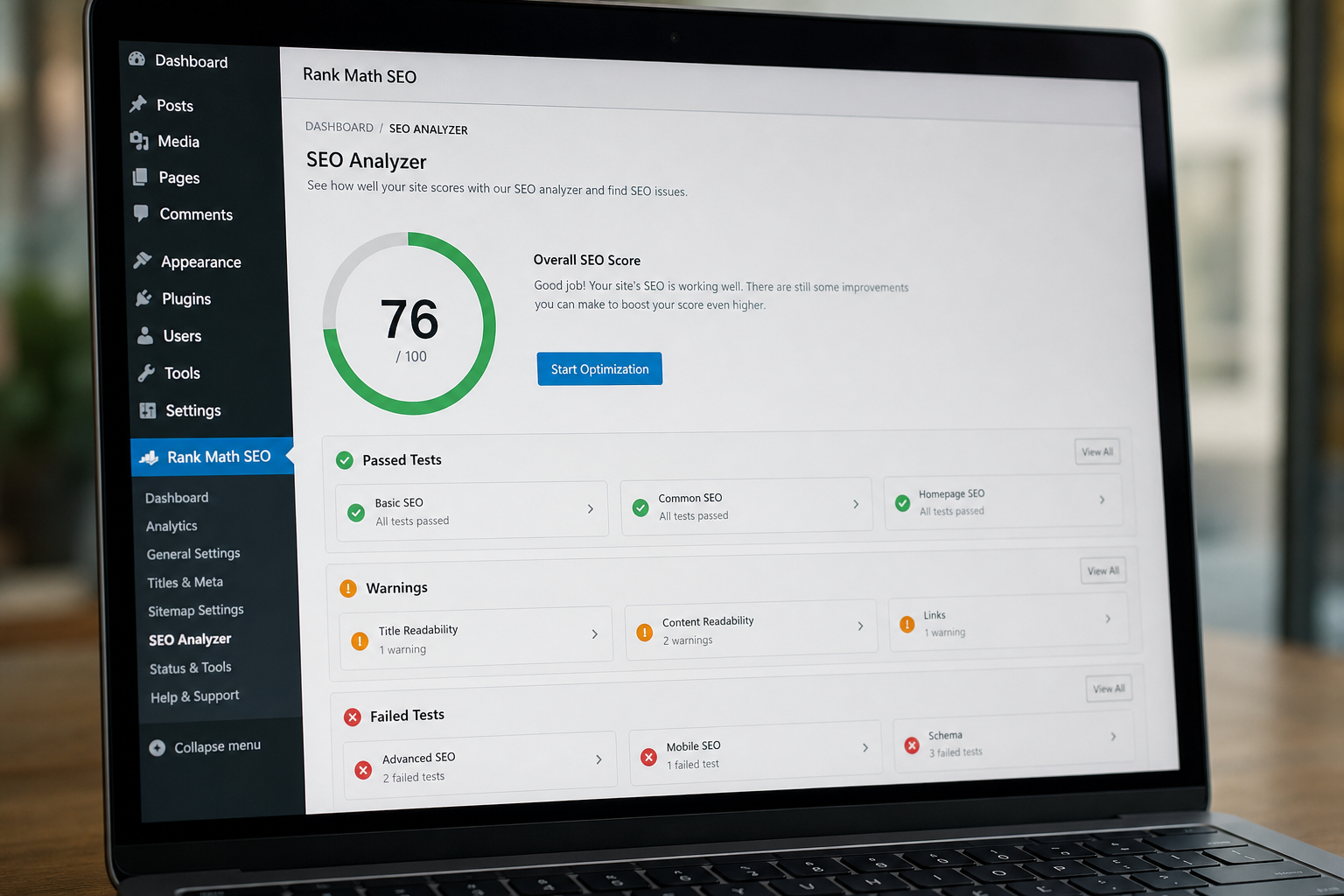

Well, here we are. Another year, another stack of glossy trend reports landing in your inbox, every one of them written for a CMO in New York or a brand director in London. They tell you AI is changing everything and personalisation is the future, then quietly gate the actual advice behind a download form. None of them answer the questions you are actually asking: what does this mean for my €5,000 a month Meta budget? Is TikTok worth it for an Irish audience or is Instagram still king? And how does the Data Protection Commission sitting in Dublin change what I am even allowed to do?
This is the missing guide. We run advertising campaigns for Irish businesses every day, so we have written the marketing and advertising trends 2026 piece we wish existed: every global shift translated into an Irish decision, with budgets, platforms and regulation that match the market you actually trade in. No gated PDF, no filler, just what to do next.

Why 2026 Hits Differently for Irish Businesses
The numbers tell the story. Ireland’s total digital advertising spend reached €1.146 billion in 2025, according to the IAB Ireland Online Adspend report, confirming 8% year-on-year growth and clearly crossing the billion-euro threshold. That is a serious, mature market, and it means the auctions you are bidding into are more crowded and more expensive than they were two years ago.
It is also a deeply social and digital-first country. There were 5.26 million internet users in Ireland at the end of 2025, with online penetration at 98.9 percent, and 4.26 million social media user identities, equating to 80.1 percent of the population. Your customers are online, on their phones, almost all of the time.
What makes Ireland different is where the money goes. Ireland’s social share is roughly 50% of total digital adspend at €576 million out of €1.146 billion, proportionally even higher than the United States, suggesting social platforms capture a greater slice of digital budgets in Ireland. If you sell to Irish consumers, social is not a side channel here. It is the main event.
We are not summarising global trends on this page. We are translating them into Irish decisions, because a trend you cannot afford to act on is just noise.
The 10 Trends at a Glance
Your 2026 fast-scan list
- AI-driven personalisation: faster campaigns, lower waste, but mind the cost and the GDPR line.
- Short-form video and creators: Reels and TikTok for Irish service businesses, authenticity over polish.
- First-party data: own your customer list before the cookie disappears.
- Omnichannel integration: paid, owned and earned pulling in one direction.
- Social commerce: shoppable ads where Irish consumers already scroll.
- Performance vs brand-building: the budget split that lowers your cost per lead.
- Search is changing: AI Overviews, zero-click and what to do about it.
- Contextual and programmatic: reaching people without third-party cookies.
- Sustainability and ethics: now a consumer expectation, not a nice-to-have.
- Measurement and attribution: proving ROI when tracking gets harder.
The 10 Marketing and Advertising Trends That Matter in Ireland in 2026
Every strong competitor covers the same global table stakes. Here is how the digital advertising trends 2026 that everyone is talking about actually land for an Irish SME, with a plain-English action point on each one.
1. AI-Driven Personalisation, and What It Actually Costs an Irish SME
AI is the headline trend in every report, and for once the hype is earned. Generative AI now drafts ad copy, builds creative variants, sorts audiences and adjusts bids in real time. The genuine advantage for a small Irish business is speed: campaigns that used to take a month to brief, build and launch can go live in days.
The catch is cost and control. The fancy enterprise AI suites are priced for multinationals, not a Greystones retailer. For most Irish SMEs the practical win is the AI already built into Meta and Google, things like Advantage+ and Performance Max, used with a human keeping the targeting honest. Hand the machine your whole budget with no oversight and it will happily spend it on the wrong searches.
For a deeper walkthrough, our AI marketing playbook for Irish small businesses shows exactly where to let the machine run and where to keep your hands on the wheel.
Irish Action Point: use the AI inside Meta and Google rather than buying expensive standalone tools, and keep a person reviewing search terms and audiences every week.
2. Short-Form Video and the Creator Economy in an Irish Context
Short-form video is where attention lives. The global advice is the same everywhere: post Reels, post TikToks, work with creators. The Irish nuance is in platform choice and tone. Instagram daily usage stands at 72%, with notable engagement among 18 to 24 year olds and 25 to 34 year olds, while Facebook daily usage reaches 73%, with exceptionally high engagement among users aged 55 to 64. So for most Irish service businesses, Instagram Reels and Facebook still do the heavy lifting, with TikTok earning its place for younger and lifestyle audiences.
The creator economy works differently here too. Ireland is small, which is an advantage. A genuinely Irish voice, a recognisable local accent and a real location read as authentic in a way a glossy international ad never will. This is the “local flavour” idea other reports gesture at, and for Irish advertisers it is a structural edge, not a soft nicety. Network marketing advertising and influencer collaborations should lean into Irishness, not hide it.
For the practical detail on formats, hooks and what actually converts, see our guide to TikTok and Reels for Irish service businesses.
Irish Action Point: film in your own accent, in a recognisably Irish setting, and lead with Instagram Reels unless your audience is specifically under 25.
3. First-Party Data Strategies and Cookieless Targeting Under EU Law
First-party data, the information your customers give you directly, is the asset that survives the death of the third-party cookie. Every report agrees. What they skip is the Irish regulatory reality: you are operating under GDPR enforced by one of the most active data protection authorities in Europe.
When we audit new client accounts, a consistent majority have never put a real first-party data capture mechanism in place beyond a basic contact form. That leaves them dangerously exposed as cookies continue to deprecate and ad targeting leans harder on owned data.
The fix is not complicated, it is just neglected: an email list with proper consent, a loyalty or booking system, and a website set up to capture and store enquiries you actually own. The businesses building that list now will still be able to reach their customers when the targeting options everyone relies on quietly disappear.
Irish Action Point: start collecting consented email addresses this quarter, with a clear GDPR-compliant opt-in, so you own a direct line to your customers that no platform can switch off.
4. Omnichannel Integration: Paid, Owned and Earned Working Together
Omnichannel sounds like jargon. In practice it just means your Google ad, your Instagram post, your email and your shop window all tell the same story, so a customer who sees you three times recognises you the fourth. The fragmented alternative wastes money: three channels each starting the relationship from scratch.
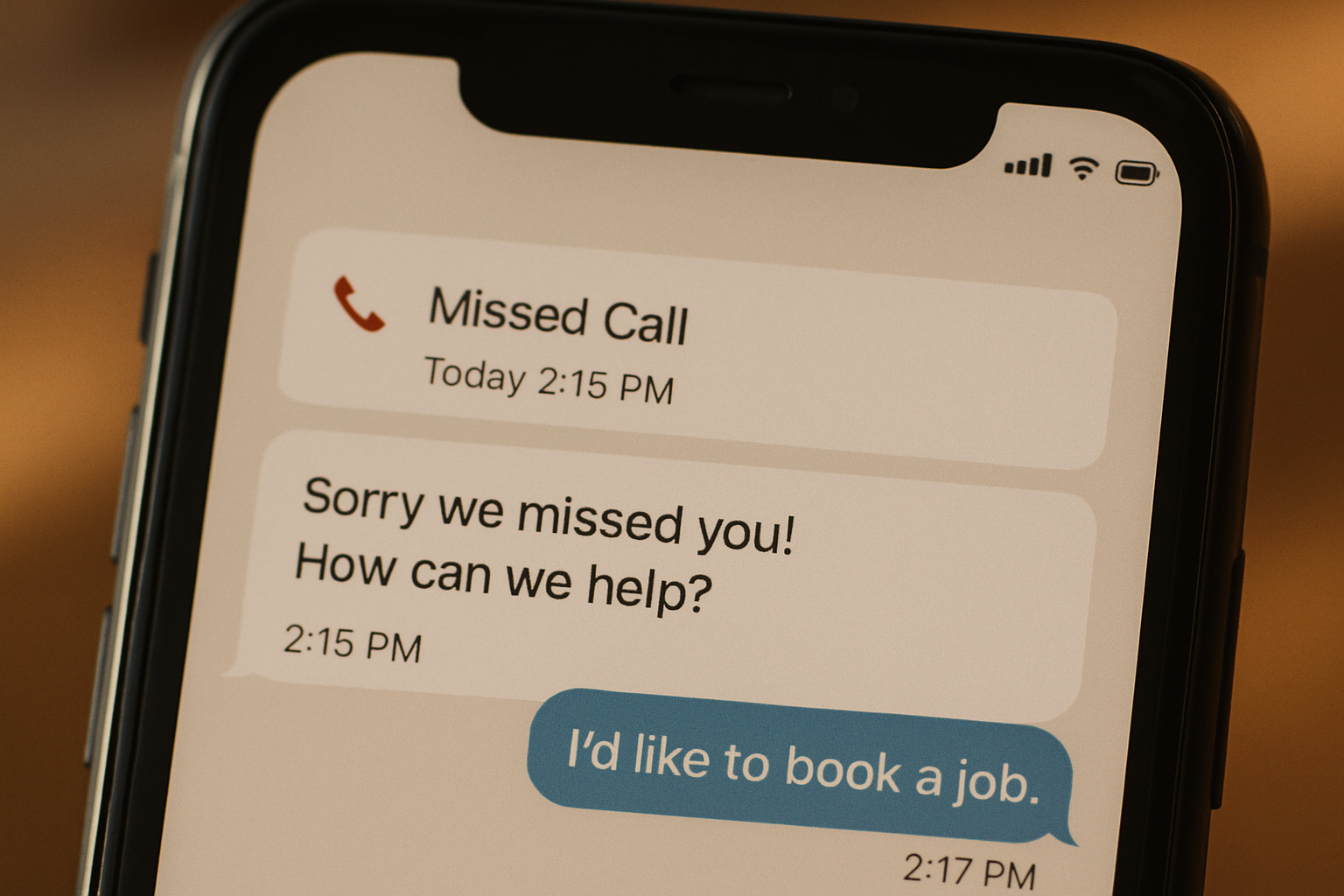
One underrated Irish angle here is offline. For a lot of Irish SMEs the phone is still the conversion. In our home-services accounts, phone calls consistently match or outrank web forms as the lead channel. A genuinely joined-up plan counts that call, connects it back to the ad that drove it, and treats your shopfront, your van signage and your local reputation as part of the same campaign.
Irish Action Point: put a tracking number on your landing pages so phone leads get credited to the channel that earned them, and keep your message identical across paid, social and email.
5. Social Commerce and Shoppable Ads: Where Irish Consumers Are Buying
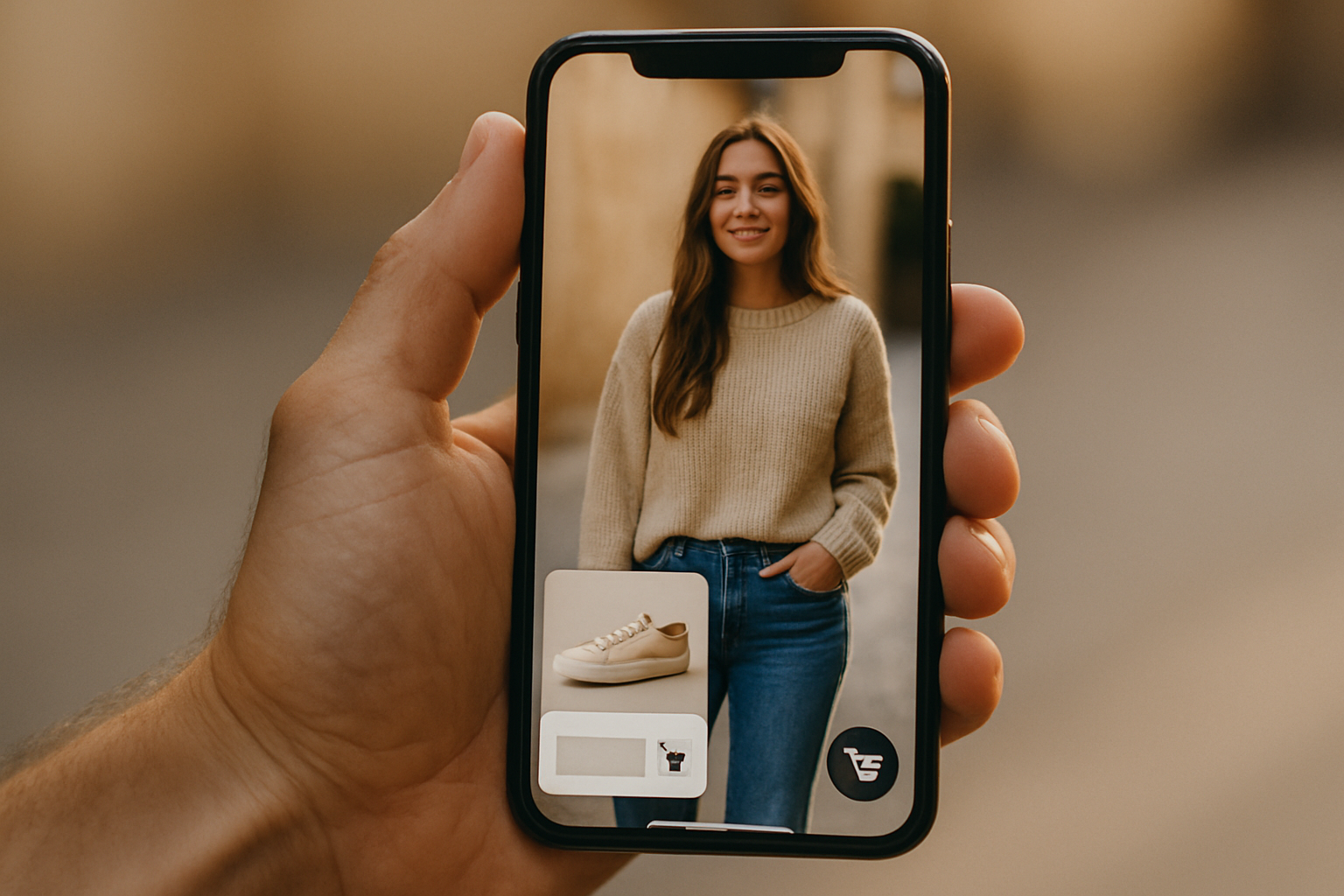
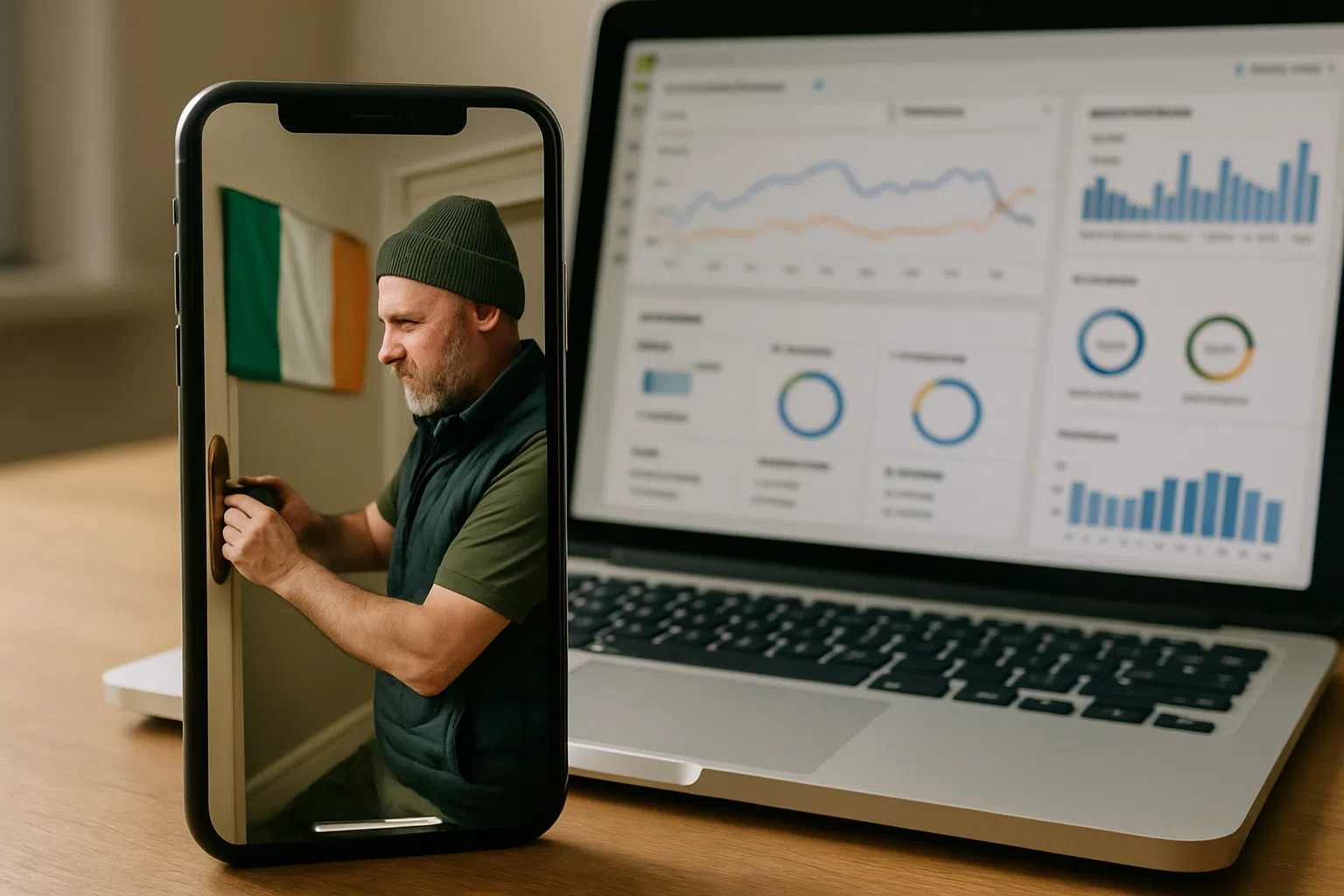
Social commerce, buying directly inside the app, is mainstream now. With 2,736,700 Instagram users in Ireland in April 2026, accounting for 52.5% of the population, and Facebook reaching almost three quarters of the country, the shoppable ad formats on Meta are where most Irish retail discovery and impulse buying happen.
For product businesses, this means a properly set up catalogue, shoppable tags and dynamic retargeting are no longer optional. For service businesses, the equivalent is frictionless lead capture inside the platform: instant forms, click-to-WhatsApp and click-to-call. In one retail account we manage, the first month produced 28 leads, of which 17 came through click-to-call or WhatsApp and only 8 through web forms. Irish buyers want to message or ring, even when they are shopping.
Irish Action Point: if you sell products, get a Meta catalogue and dynamic retargeting live; if you sell services, add click-to-call and WhatsApp buttons to every ad and landing page.
6. Performance vs Brand-Building: Getting the Balance Right on an Irish Budget
This is the trade-off that decides whether your advertising compounds or stalls. Performance marketing, the ads that chase a direct lead or sale, is addictive because you can measure it. Brand-building feels slower and fuzzier, so cash-strapped SMEs starve it. That is a mistake.
At Sink or Swim Marketing we manage advertising for Irish businesses across sectors, and the pattern is consistent: the clients who hold roughly a fifth of their spend on brand awareness tend to see their performance campaigns get cheaper, because warm audiences convert at a lower cost. We watch it in the numbers. On one painting account, after patient optimisation, cost per lead came down from around €111 to settle in the low €60s to low €80s as the audience warmed and the targeting tightened.
Getting this split right is most of what we do inside our fully managed advertising in Ireland service, because the right balance is different for a local café than for a B2B firm in Dublin. For the wider strategic picture, our pillar guide to advertising strategy for Irish businesses walks through how the funnel fits together.
Irish Action Point: ringfence about 20% of your monthly budget for awareness, and judge it on a 90-day cost-per-acquisition trend, not on last week’s leads.
7. Search Is Changing, AI Overviews, Zero-Click and What Irish Advertisers Must Do
This is the trend that quietly rewrites your SEO and search strategy. AI Overviews now appear on more than 20% of Google searches, and when they do, click-through rates drop by nearly 60%. The pattern is not uniform, though, and that nuance matters. The remaining clicks are increasingly concentrated on navigational and transactional queries where user intent demands a destination.
Translation for an Irish business: if someone Googles “what is the best paint for exterior walls”, the AI may answer it and they never visit a site. But if they search “painter near me” or “get a quote for paving Wicklow”, they still click, and they still buy. Top-of-funnel informational content is now primarily a citation play, not a traffic play. Your money is increasingly in the commercial searches, which is exactly where paid search and a strong Google Business Profile earn their keep.
There is even an upside for recognised brands. Branded queries have moved the other direction, with a counter-intuitive lift in click-through rate when AI Overviews surface a clear brand answer alongside a source link. Being a known name in your Irish market now pays back inside the search result itself.
Irish Action Point: shift effort toward commercial and “near me” search, keep your Google Business Profile sharp, and build branded recognition so you are the name people search for by choice.
8. Contextual and Programmatic Advertising in a Post-Cookie Ireland
As third-party cookies fade, contextual targeting is making a comeback. Instead of following a person around the web, contextual ads appear next to relevant content, your garden-room ad on a home-improvement article, no personal data required. It is privacy-friendly by design, which fits the EU environment neatly.
Programmatic, the automated buying of display and connected TV inventory, keeps growing in Ireland. Programmatic advertising is forecast to grow by over one-third between 2023 and 2028, surpassing 1.2 billion euros. For most SMEs the practical takeaway is that you can now reach Irish audiences on connected TV and premium sites at budgets that used to be reserved for big brands, through programmatic platforms, as long as your creative and targeting are right.
Irish Action Point: lean on contextual placements for prospecting, and test a small programmatic or connected TV budget once your core search and social are profitable.
9. Sustainability and Ethical Marketing as a Consumer Expectation
Irish consumers, particularly younger ones, increasingly factor a business’s ethics and environmental stance into what they buy. This is no longer a campaign theme, it is a baseline expectation. The risk is greenwashing: vague, unbacked sustainability claims now invite scrutiny rather than goodwill, and Ireland’s advertising standards do not look kindly on them.
The opportunity for an Irish SME is honesty at a human scale. Local sourcing, genuine community involvement, real reductions you can prove, these read as authentic precisely because you are small enough to mean them. Say what is true, show the evidence, and skip the planet-saving slogans you cannot stand over.
Irish Action Point: only make sustainability claims you can evidence, and tell specific, local, true stories rather than broad green statements.
10. Measurement, Attribution and Proving ROI in 2026
With cookies fading and privacy rules tightening, knowing which ad drove which sale is genuinely harder than it was. The honest position, and the one we take with every client, is that tracked conversions understate reality. On one of our accounts, 15 tracked conversions sat alongside 19 separately logged inbound phone calls in the same month, because people who dial your number manually are never recorded in Google Ads.
The 2026 answer is a layered one: platform conversion data, plus call tracking, plus a simple “how did you hear about us” question, plus your own sales records. No single dashboard tells the truth on its own.
Irish Action Point: combine ad-platform data with call tracking and a manual source question, and judge performance over a rolling quarter rather than a single noisy month.
How EU Regulation Shapes These Trends for Irish Advertisers (GDPR, DSA, IAB TCF)
Here is where being based in Ireland genuinely changes the playbook. Every trend above runs through European law, and Ireland hosts the EU headquarters of Meta, Google, TikTok and more, which makes the Data Protection Commission a central enforcer for the whole bloc.
Three things shape what you can actually do. GDPR governs how you collect and use customer data, which is why first-party data must be properly consented. The Digital Services Act adds transparency and accountability obligations to large platforms and advertising. And the IAB Transparency and Consent Framework is the practical consent layer most ad tech in Europe relies on. The headline for an SME is simple: build your cookie consent, your email opt-ins and your data storage correctly, and most of this is handled.
For authoritative guidance straight from the source, see Ireland’s Data Protection Commission guidance rather than second-hand summaries. For a working overview of how we handle data and search for clients, the same principles run through the online advertising guide on our blog.
You do not need to become a privacy lawyer. You need a properly configured consent banner, clean opt-in email collection, and a data store you control. Get those three right and you can use every trend in this guide without falling foul of Irish or EU rules.
Irish Consumer Behaviour in 2026, What the Data Tells Us
Strategy without local behaviour is guesswork. A few patterns define how Irish people buy in 2026.
They are mobile, almost completely. Within Ireland’s social media advertising market, 67% of total ad spending is anticipated to be generated through mobile by 2030. In our own painting accounts, mobile drives roughly 77% of conversions, so a campaign or landing page that is anything less than excellent on a phone is leaving money on the table.
They are phone-first when it matters. For trades and local services, an Irish customer is far more likely to tap “call now” than fill in a form. They also buy on weekends: on one of our accounts the cheapest leads of the entire week came in on Saturday and Sunday, with Saturday posting the highest click-through rate of any day. Switching ads off at the weekend, as many businesses instinctively do, would have lost those.
📱 Mobile-led
The overwhelming majority of Irish ad interaction and conversion happens on a phone. Design for thumbs first.
☎️ Phone-first
For local and home services, calls match or beat form fills as the primary lead channel.
🗓️ Always-on
Weekends convert. Some of the cheapest leads land Saturday and Sunday, so keep campaigns running.
They also respond to local authenticity. In Ireland, social media advertising is increasingly prioritising local content as brands seek to resonate more authentically with the culturally rich consumer base. The Irish accent, the local landmark and the genuinely Irish story are not garnish, they are conversion drivers.
The Irish SME Priority Framework: What to Do First with a Limited Budget
The honest problem with every trend list is that you cannot do all ten at once on a real budget. So here is the thing no other report gives you: a prioritisation framework that plots each trend by its impact on a typical Irish SME against how accessible it is on a normal Irish budget. Start top-left and work outward.
Your step-by-step priority order
- Audit your data collection: can you reach your customers directly today, or are you renting access from platforms? If the latter, start a consented email list now.
- Lock your quick wins: mobile-first landing pages, click-to-call and WhatsApp buttons, and a polished Google Business Profile. Cheap, fast, high impact.
- Choose your primary channel: for most Irish B2C, that is Meta plus Google search; pick two and master them before spreading wider.
- Set your budget split: roughly 80% performance, 20% brand, reviewed quarterly.
- Fix measurement: add call tracking and a source question so you can actually see what works.
- Then layer and plan: contextual, social commerce, creators and programmatic come once the foundations are profitable.
Top 5 Channels for Irish SME Advertising in 2026
| Channel | Audience fit | GDPR complexity | Suggested minimum / month | Our verdict |
|---|---|---|---|---|
| Meta (FB/IG) | Broad B2C, all ages, strong 25 to 54 | Medium | €600 to €1,000 | Default starting point for most Irish SMEs |
| Google Search | High commercial intent, “near me” | Low | €600 to €1,200 | Best for capturing ready-to-buy demand |
| TikTok | Under 35, lifestyle, discovery | Medium | €500+ | Test if your audience skews young |
| B2B, decision-makers | Medium | €800+ | Higher CPM, worth it for B2B leads | |
| Programmatic / CTV | Broad reach, awareness | Higher | €1,000+ | Layer in once search and social work |
Budgets are guideline minimums for a campaign that can actually gather enough data to optimise, not hard rules. For a fuller channel-by-channel strategy aimed at Irish businesses, our round-up of the top 2026 marketing trends goes deeper on each.

Frequently Asked Questions
Which marketing and advertising trends will have the biggest impact on Irish businesses in 2026?
For most Irish SMEs, the three with the biggest practical impact are AI-driven efficiency in your ad accounts, building first-party data you own, and adapting to AI-led search where most informational queries no longer produce a click. The common thread is owning your customer relationship and focusing paid spend on high-intent, commercial searches and social audiences rather than chasing broad reach.
How is AI changing digital advertising for small and medium businesses in Ireland?
AI mainly changes speed and efficiency. The AI built into Meta and Google can now build creative variants, sort audiences and adjust bids in real time, so campaigns launch in days rather than weeks. The catch for an Irish SME is oversight: left unchecked, automation will spend your budget on the wrong searches, which is why ongoing negative-keyword and audience review still matters as much as ever.
What is the best digital marketing strategy for an Irish business in 2026?
A focused one. Pick two core channels, usually Meta and Google search for B2C, master them, and only then expand. Split your budget roughly 80% performance and 20% brand, capture first-party data you own, design everything mobile-first with click-to-call, and measure with call tracking on top of platform data. The best digital marketing strategy for Ireland in 2026 is depth on a few things, not a thin presence everywhere.
How does GDPR and EU regulation affect advertising trends in Ireland in 2026?
Significantly, because the Data Protection Commission in Dublin is a lead enforcer for major platforms across the EU. In practice it means consent must be genuine, first-party data must be collected with a clear opt-in, and your cookie banner and data storage need to be set up correctly. Get those foundations right and you can still use every trend in this guide. Always check the Data Protection Commission’s own guidance for the current rules.
Is social media advertising still worth the investment for Irish businesses in 2026?
Yes, more so in Ireland than most markets. Social captures roughly half of all Irish digital ad spend, and platforms like Instagram and Facebook reach a large majority of the population daily. The key is tight targeting and strong creative rather than broad untargeted reach, which rarely pays back for a smaller budget. Start with one or two platforms, master them, then expand.
What is first-party data and why does it matter for Irish advertisers?
First-party data is information your customers give you directly, like email addresses, bookings and purchase history, collected with proper consent. It matters because third-party cookies are disappearing, so the businesses that own a direct line to their customers will still be able to reach them when platform targeting options shrink. When we audit new Irish clients, most have never built this beyond a basic contact form, which leaves them exposed.
How should Irish businesses balance brand awareness and performance marketing in 2026?
A roughly 80/20 split, performance to brand, works for most Irish SMEs. Performance ads drive the leads and sales you can measure, while around 20% on brand awareness warms your audience so those performance campaigns convert more cheaply over time. In our managed accounts, clients who hold that brand share consistently tend to see lower cost per acquisition within about 90 days.
Ready to Put These Trends to Work?
Trends are only useful once they become decisions. The Irish businesses that win in 2026 will not be the ones who read the most reports, they will be the ones who picked two channels, owned their data, balanced brand and performance, and measured honestly. That is exactly the work we do every day for clients across the country, and it is how we help them transform their digital presence into a steady flow of real, tracked leads.
If you would rather have one of the top marketing service providers for customer engagement handle the strategy, the setup and the weekly optimisation, that is what managed advertising in Ireland is for.
Let’s turn the 2026 trends into a plan that fits your budget
We are an advertising agency in Greystones running fully managed advertising for Irish businesses, with the call tracking, negative-keyword discipline and Irish market knowledge to make every euro work harder.