
Right then, let’s talk about getting your social media sorted. It’s easy to just post whatever pops into your head, but honestly, that rarely gets you anywhere. Having a plan, a proper social media posting schedule, means you’re not just guessing; you’re actually working towards something. It’s like having a map instead of wandering around aimlessly. We’ll look at why this is so important, how to figure out who you’re talking to and where, how often to actually post, and how to keep it all organised. Plus, we’ll cover how to see if it’s working and what to do next.
Key Takeaways
- A well-thought-out social media posting schedule is vital for consistent online presence and achieving business aims. It stops you from just posting randomly.
- Understand who your audience is and which social platforms they use most. Different platforms need different approaches.
- Figure out the right amount to post. Too much can annoy people, too little can make you seem inactive. Quality beats quantity.
- Create a content calendar. This helps plan out topics, formats, and timings, making sure you don’t run out of ideas.
- Your content should have main themes or ‘pillars’ that align with your brand and what your audience likes.
- Tools can help organise your content calendar, ensuring a good mix of posts and optimal timing.
- Keep an eye on how your posts are doing. Look at the numbers to see what’s working and what isn’t.
- Be ready to change your plan based on what the data tells you. Social media is always changing, so your strategy should too.
Why a Social Media Posting Schedule is Crucial
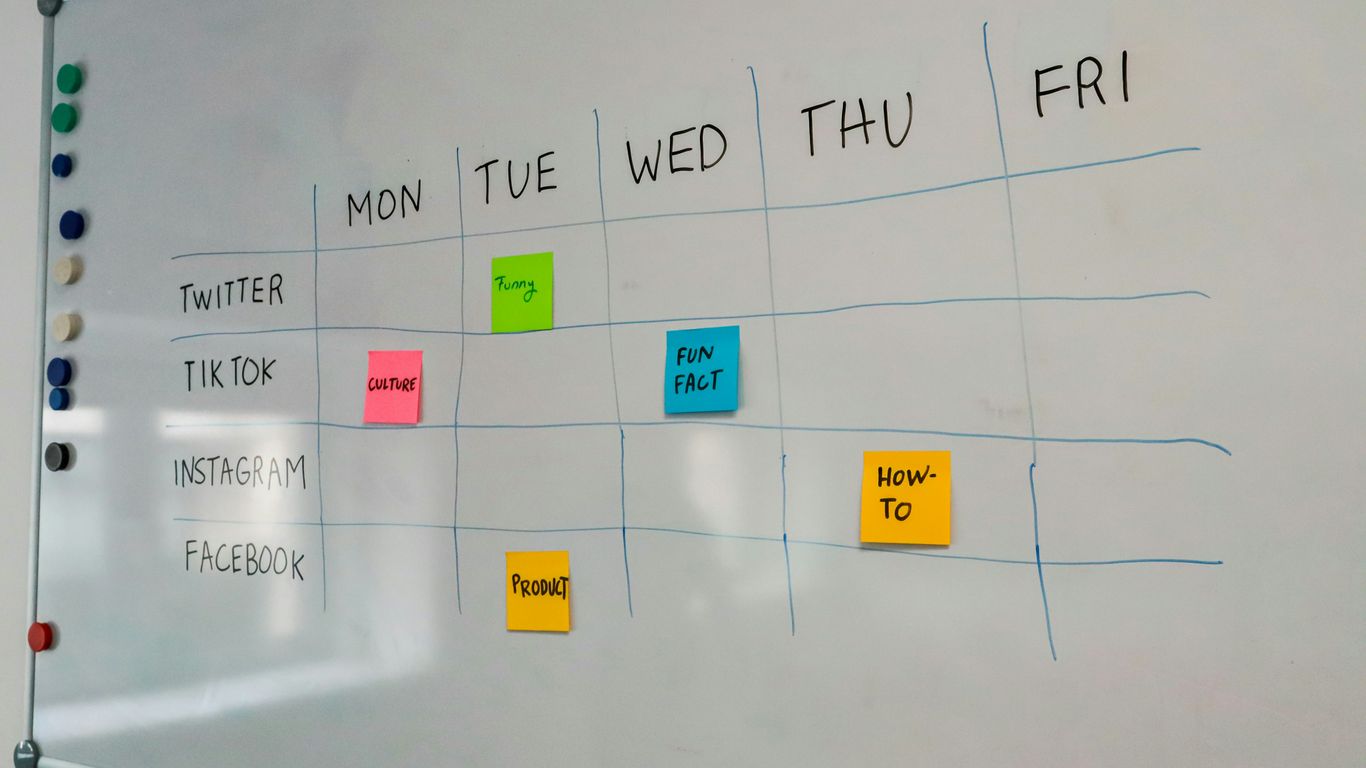
Posting on social media without a plan is a bit like wandering around without a map. You might end up somewhere, but it’s unlikely to be where you intended. Having a proper schedule turns that random activity into a focused effort that actually gets results. It’s not just about putting stuff out there; it’s about making sure what you put out connects with the right people at the right time.
Think about it: when you’re consistent, people start to expect your content. This builds a sense of reliability, which is pretty important for any brand. It shows you’re present and engaged, not just a fly-by-night operation. Plus, a schedule helps you avoid that last-minute panic of ‘what do I post today?!’ which usually leads to less-than-stellar content.
Here’s why it really matters:
- Consistency builds trust: Showing up regularly makes your audience feel like they can count on you.
- Efficiency saves time: Planning ahead means you’re not scrambling for ideas every single day.
- Strategic alignment: You can tie your posts to specific goals, campaigns, or events, making your efforts more impactful.
- Audience connection: Understanding the best time to post on social media means you’re more likely to be seen and heard when your followers are actually online.
Trying to figure out the best times to post on social media can feel like a puzzle. There’s no single answer that fits everyone, and what works today might not work tomorrow. That’s why having a system in place is so important. It allows you to experiment, track what’s working, and adapt your approach. Without this structure, you’re essentially just guessing, and that’s not a great way to grow your online presence. It’s about making every post count, rather than just posting for the sake of it. Finding the best time to post on social media is a key part of this, and a schedule helps you nail it.
A well-thought-out posting schedule isn’t just about filling a feed; it’s about strategic communication. It ensures your message reaches your audience effectively, fostering engagement and building a stronger connection over time. This structured approach is what separates brands that are just present online from those that are truly making an impact.
Ultimately, a social media posting schedule is your roadmap to making social media work for you, not the other way around. It helps you stay organised, keep your audience engaged, and achieve your overall marketing objectives. It’s the backbone of any successful social media strategy, helping you to understand when your audience is most active and make the most of your efforts.
Understanding Your Audience and Platforms
Trying to be everywhere on social media is a classic rookie mistake. It’s a surefire way to burn out your team and dilute your message, leaving you with lacklustre results across the board. The secret to a killer social media content strategy isn’t about blanketing every platform; it’s about being present where your audience truly lives and breathes. This means you have to get strategic. It’s time to move beyond the default choices and make deliberate decisions based on cold, hard data. The digital scene in the AE region is incredibly vibrant and has its own unique rhythm. You need to understand where your specific customers are spending their time and what they actually want to see from a brand like yours. The opportunity here is immense. As of early 2025, the United Arab Emirates (UAE) has the highest social media penetration rate in the world, a staggering 112.5%. Think about that for a second—there are more active social media accounts than people. This shows just how deeply these platforms are woven into daily life, from personal connections to brand discovery and shopping.
Identifying Your Target Demographics
If you want to truly connect with your audience, you have to go deeper than surface-level demographics. Knowing their age and where they live is just the start. The real magic happens when you understand what makes them tick—their aspirations, their daily frustrations, and the kind of content they’ll actually stop scrolling for. This is precisely where a detailed audience persona becomes the most valuable tool in your social media content strategy. Think of a persona not as a made-up character, but as a research-backed profile of your ideal customer in the AE market. It’s about turning cold, hard data into a relatable human story. This lets you craft content that speaks to a real person, not just a faceless crowd. It’s this shift in mindset that separates brands that just shout into the void from those that build real, thriving communities. The potential in this region is staggering. By early 2025, the Arab region is expected to have around 228 million social media users. In key markets like the UAE and Saudi Arabia, social media penetration is already north of 90%. These platforms aren’t just for fun anymore; they are deeply woven into daily life and commerce. You can get a better sense of this by checking out the most popular apps for Arab internet users to see how integrated these platforms have become.
Building a powerful persona starts with some good old-fashioned detective work. Forget about guesswork. You need to gather clues from different sources to piece together a full picture of who you’re talking to. The whole point is to move past your own assumptions and anchor your strategy in how people actually behave.
- Your first stop should be your own analytics. Tools like Instagram Insights and Facebook Audience Insights are goldmines, showing you who’s already engaging with your brand. Take a close look at their age, gender, location, and when they’re most active. This gives you the basic sketch of your audience.
- Do a little friendly snooping on your competitors. See who’s following them and what kind of audience they’re attracting. Which of their posts get the most comments and shares? Just by reading the comment sections, you can pick up on the language your potential audience uses, the questions they ask, and what they value in a brand. This isn’t about copying them; it’s about spotting opportunities they’ve missed.
- Social listening is a must. Platforms let you tune into conversations happening around your industry, your brand, and important keywords. It’s like having a direct, unfiltered line into your audience’s heads, revealing their biggest headaches and what they genuinely want.
An audience persona is your strategic North Star. Every time you create a piece of content, you should ask, "Would [Persona’s Name] find this useful, entertaining, or valuable?" If the answer is no, it’s time to rethink your approach.
Platform-Specific Best Practices
Match Your Platforms to Your People. Before you even think about which platform to post on, pull out those audience personas you worked on. Where does your ideal customer actually look for inspiration? Is she scrolling through Instagram Reels for quick visual hits, or is she on LinkedIn looking for articles on professional branding? The answers to these questions are your roadmap. Each platform has its own unwritten rules, user demographics, and content formats that just work. A brilliant TikTok strategy will almost certainly flop on LinkedIn if you just copy and paste. The real magic happens when you find that sweet spot where your audience’s habits, your business goals, and the platform’s strengths all align perfectly.
Here’s a quick look at how different platforms cater to different needs:
- Instagram: Great for visual storytelling, behind-the-scenes content, and short-form video (Reels). Ideal for brands with strong visual appeal, like fashion, food, or travel.
- Facebook: Still a powerhouse for community building, detailed posts, and targeted advertising. Good for a broad range of businesses, especially those looking to engage with a slightly older demographic or build groups.
- TikTok: Dominated by short, engaging videos, trends, and challenges. Perfect for reaching younger audiences with creative, entertaining, and often educational content.
- LinkedIn: The professional network. Best for B2B companies, thought leadership, industry news, and career-related content.
- X (formerly Twitter): Fast-paced, real-time conversations. Excellent for news updates, customer service, and joining trending discussions.
The difference between a brand that thrives and one that just makes noise is consistency. But consistency isn’t about having a million-dollar idea every single day. It’s about having a solid framework. This framework really comes down to two key pieces: your content pillars and your content calendar.
Determining the Optimal Posting Frequency
So, how often should you actually be posting on social media? It’s a question that pops up a lot, and honestly, there’s no single magic number that fits everyone. What really matters is consistency and making sure what you put out there is actually good.
Balancing Quantity and Quality
It’s far better to share three really great, useful posts a week than to rush out seven mediocre ones just to hit some arbitrary target. People can spot filler content a mile off, and let’s be honest, burnout is a real risk for anyone creating content. Think about it: would you rather follow an account that posts daily with meh content, or one that posts a few times a week with genuinely interesting stuff? Quality always trumps quantity.
When Your Audience is Most Active
This is where looking at your analytics comes in. Different platforms have different rhythms. Fast-paced places like Instagram Stories or X (formerly Twitter) do well with daily updates because they’re all about what’s happening right now. For platforms like your main Instagram feed or LinkedIn, aiming for 3-5 solid posts per week is usually a good, manageable goal for most businesses. It’s about finding a schedule you can actually stick to. If you start posting more and notice your engagement rate per post drops, that’s your audience telling you to ease back and focus on making each post count. You can use tools to help you figure out when your followers are online and most likely to see your content.
The key is to experiment. Start with a frequency you’re confident you can maintain, then keep a close eye on your performance metrics. If a certain type of content consistently gets more interaction, that’s a clear signal to create more of it. This continuous process of testing and refining is what makes a social media strategy work well over time, helping you connect with your audience and achieve your goals.
Here’s a general idea for different platforms:
- Instagram Feed: 3-5 posts per week
- Facebook: 3-7 posts per week
- X (formerly Twitter): 1-5 posts per day (due to its fast-paced nature)
- LinkedIn: 2-5 posts per week
- TikTok: 3-5 videos per week
Remember, these are just starting points. Your specific audience and industry might call for adjustments. For instance, Irish retailers might find that a more frequent posting schedule on platforms like Facebook and Instagram, especially when combined with paid advertising, can significantly boost their Return on Investment.
Crafting Your Content Calendar
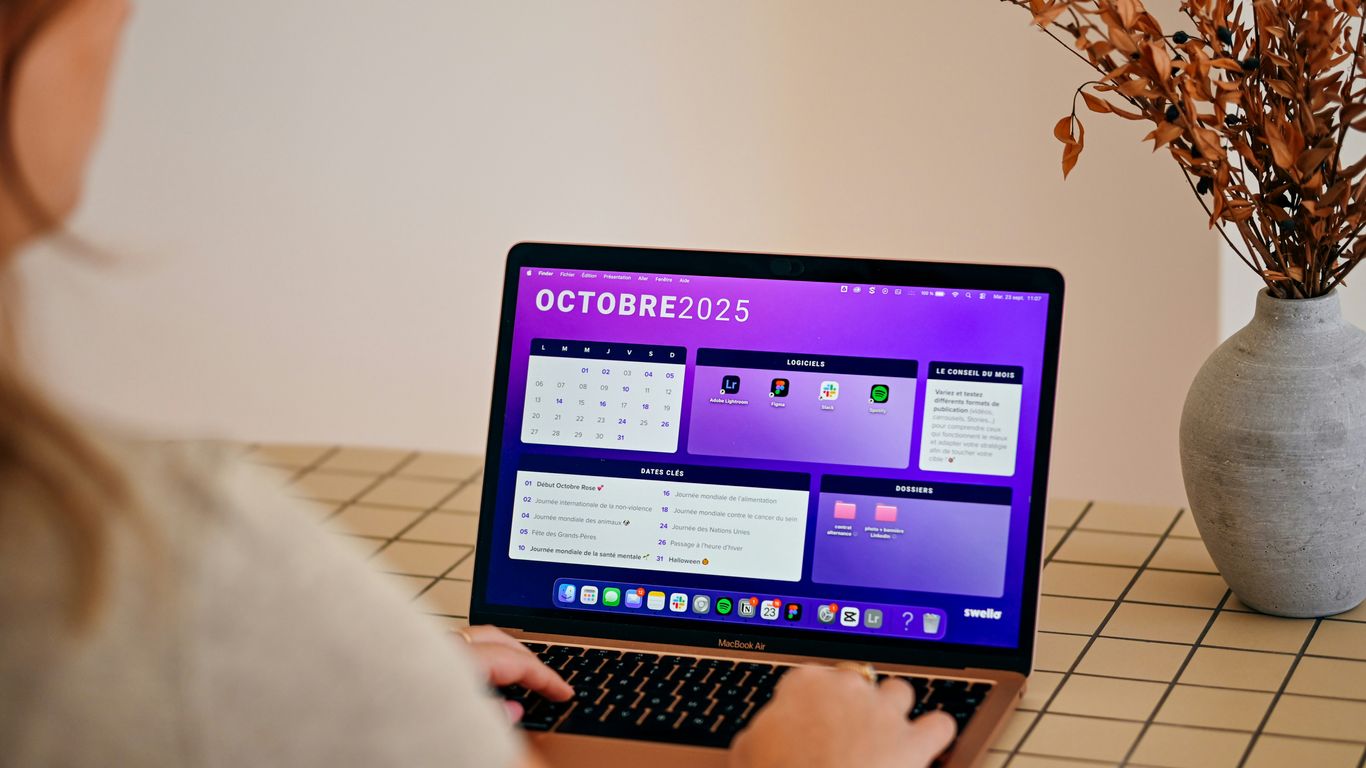
So, you’ve got a handle on who you’re talking to and which platforms they’re on. Brilliant. Now, let’s get down to the nitty-gritty of actually making things happen. This is where your social media content calendar comes into play. Think of it as your roadmap, your command centre, the place where all your brilliant ideas get organised and scheduled. Without one, you’re basically flying blind, hoping something sticks. A well-planned calendar stops that last-minute panic of ‘what do we post today?’ and keeps your online presence looking professional and consistent.
Content Pillars and Themes
Before you start filling in dates, you need a framework. That’s where content pillars come in. These are the main topics or conversations your brand will consistently talk about. They should align with what your business is about and what your audience actually wants to hear. Aim for about three to five pillars. Too few, and your content might get a bit repetitive. Too many, and you risk confusing people. These pillars act as guardrails, keeping your message focused and building your authority.
Here’s a quick example of how pillars might work for a local bakery:
| Pillar | Example Content Ideas |
|---|---|
| Behind the Scenes | "Meet the Baker" video, "Day in the Life" Instagram Story |
| Product Spotlights | New cake flavour announcement, "Customer Favourite" feature |
| Baking Tips | "How to perfectly proof dough" Reel, "Sourdough Starter 101" |
| Community | Local event participation, "Customer Creations" showcase |
This structured approach ensures a balanced content mix.
Tools to Help You Plan
Now, how do you actually build this social media content calendar? You don’t need anything super fancy to start. A simple spreadsheet works wonders. You can map out your content pillars across a week or month, noting down specific post ideas, formats (like videos, images, or text posts), and any key dates or campaigns you need to align with. Tools like Google Sheets or Excel are perfectly fine for this. For something a bit more specialised, you might look into platforms that help with scheduling and analytics, but start with what feels manageable. The main thing is to have a central place where you can see everything laid out. This helps you spot gaps, ensure variety, and plan ahead efficiently. Remember, consistency is key, and a good calendar is your best friend for achieving that. You can find more guidance on creating a robust calendar here.
Planning your content in advance doesn’t just save you time; it also means you can be more strategic about what you’re putting out there. It allows for thoughtful creation rather than rushed posting, which usually shows.
Measuring and Adapting Your Schedule
Right, so you’ve put your plan into action, you’re posting away, and things are ticking along. But here’s the thing: social media isn’t a ‘set it and forget it’ kind of deal. You’ve got to keep an eye on what’s actually working. It’s like tending a garden; you can’t just plant the seeds and expect a harvest without watering and weeding.
Think about it. You might have started with a schedule based on what you think your audience wants, or what some article told you was the best time to post. But are they actually engaging? Are your posts getting seen? This is where the detective work comes in. You need to look at your analytics – the numbers don’t lie, even if they’re sometimes a bit confusing.
Here’s a quick rundown of what to check:
- Engagement Rate: This is a big one. How many likes, comments, shares, and saves are you getting compared to how many people saw the post? A high engagement rate means people are actually interacting with your content, not just scrolling past.
- Reach and Impressions: How many unique people saw your post (reach)? And how many times was it displayed in total (impressions)? If reach is low, maybe your posting times aren’t hitting when your audience is online, or perhaps your content isn’t grabbing attention.
- Click-Through Rate (CTR): If your goal is to drive traffic to your website or a specific link, CTR is key. Are people clicking the links you share?
- Follower Growth: While not the only metric, steady follower growth usually indicates your content is appealing to new people.
It’s a good idea to set aside some time regularly, maybe weekly, to just glance at these numbers. Then, have a more in-depth look once a month. Don’t just look at the figures; try to figure out why they are what they are. For example, if your video posts are getting way more shares than your static images, that’s a clear sign. Your audience is telling you they prefer videos. So, what’s the logical next step? Make more videos!
The real magic happens when you interpret that data to make smarter decisions for the future. This creates a powerful optimization loop: measure, analyze, adjust, repeat. It’s not about sticking rigidly to a plan, but about using the plan as a starting point and then refining it based on real-world feedback.
For instance, you might notice that posts shared on a Wednesday morning tend to perform best. That’s useful information! You can then adjust your calendar to prioritise posting your most important content around Wednesday at 8 AM. Or perhaps you find that your audience really lights up when you share behind-the-scenes glimpses of your work. That’s a cue to incorporate more of that authentic content. It’s all about listening to your audience through the data and being flexible enough to change your approach. This continuous process of testing and refining is what separates a good social media strategy from a great one.
Putting Your Social Media Posting Game Plan into Action
Right then, you’ve got your schedule, you know who you’re talking to, and you’ve got a rough idea of what you want to say. Now comes the bit where we actually make it happen. This isn’t just about setting up a few posts and forgetting about them; it’s about making your social media marketing strategy work for you.
First off, let’s talk about consistency. It’s easy to get excited and plan out a month’s worth of content, but can you actually keep it up? It’s far better to commit to posting three times a week with really good stuff than to aim for seven posts and end up rushing them. Remember, your audience can tell the difference between something thoughtful and something thrown together at the last minute. The goal is to build trust, not just fill a feed.
Here’s a simple way to think about how to plan social media posts day-to-day:
- Morning Check-in: Briefly scan notifications, respond to comments and messages. This shows you’re present and listening.
- Midday Content Prep: Work on creating or scheduling content for the next day or two. This keeps you ahead of the curve.
- Afternoon Engagement: Spend a bit of time interacting with other accounts, sharing relevant content, and generally being part of the online community.
- End-of-Day Review: A quick look at what performed well today. Did a particular post get a lot of shares? Note it down for future reference.
Don’t forget about paid ads. They’re not just for big companies with massive budgets. Think of them as a way to give your best organic content a boost. If a post is already doing well on its own, putting a bit of money behind it can help it reach a whole new audience that might be interested. It’s a smart way to get more mileage out of content you already know works.
The real magic happens when you start looking at what’s actually working and what isn’t. Don’t just post and walk away. Keep an eye on your analytics. If videos are getting way more attention than static images, it’s a clear sign to make more videos. This constant tweaking is what separates a decent social media marketing strategy from a truly effective one. It’s all about learning from your audience and giving them more of what they like.
Finally, remember that this whole process is a cycle. You plan, you post, you measure, and then you adjust. It’s not a one-and-done deal. Your social media marketing strategy should be a living, breathing thing that evolves as you learn more about your audience and the platforms themselves. So, get out there and start putting your plan into action!
Ready to put your social media plan into action? It’s time to make your posts shine and connect with your audience. Don’t just post, make a statement! Visit our website today to learn how we can help you create a social media strategy that gets results.
Wrapping It Up
So, there you have it. Building a solid social media plan isn’t about chasing likes or trying to be everywhere at once. It’s about knowing your goals, understanding who you’re talking to, and then showing up consistently with content that actually matters to them. Remember to keep an eye on what’s working, don’t be afraid to tweak things, and most importantly, stay true to your brand. It takes a bit of effort upfront, sure, but a well-thought-out strategy will make all the difference in turning your social media efforts into something that really pays off.
Frequently Asked Questions
Why do I need a social media posting schedule?
Posting without a plan is like wandering around without a map! A schedule helps you stay organised, post consistently, and make sure your content is actually reaching the right people at the right time. It stops you from scrambling for ideas and ensures you’re always putting your best foot forward online.
How do I know who my audience is?
Think about who you want to reach. What are they interested in? What are their ages, where do they live, and what do they like to do? Creating a simple ‘persona’ for your ideal follower can really help you understand them better.
Should I post the same thing on every social media platform?
Definitely not! Each platform is like a different room with its own vibe. What works on TikTok might not work on LinkedIn. You need to understand what kind of content people expect and enjoy on each specific site.
How often should I post on social media?
There’s no single magic number. It’s better to post a few really good, interesting things regularly than to flood people with lots of mediocre stuff. Start with a frequency you can manage and see how your audience reacts.
What's more important: posting a lot or posting quality content?
Quality always wins! Your followers can tell when content is rushed or boring. Focus on creating posts that are valuable, interesting, or entertaining. It’s much better to post less often but make each post count.
When is the best time to post?
This depends on your audience! You need to look at your analytics to see when your followers are most active online. Most platforms have tools that show you these insights, helping you pick the perfect time to share your content.
What is a content calendar?
A content calendar is basically a schedule for your posts. It’s where you plan out what you’re going to post, when you’re going to post it, and on which platform. It helps you stay organised and think ahead.
What are 'content pillars'?
Content pillars are like the main topics or themes that your brand will talk about. They help keep your content focused and consistent. For example, a coffee shop might have pillars like ‘Coffee Brewing Tips’, ‘Behind the Scenes’, and ‘Customer Spotlights’.
How can I come up with content ideas?
Look at what your audience is talking about, see what successful brands are doing, and don’t be afraid to ask your followers what they want to see! Also, think about different ways to present information, like videos, pictures, or polls.
What's the 80-20 rule for social media content?
This rule suggests that about 80% of your posts should be about providing value – like educating, entertaining, or informing your audience. The other 20% can be more promotional, like talking about your products or services.
How do I know if my social media plan is working?
You need to track your results! Look at things like how many people see your posts (impressions), how many people interact with them (engagement), and if they lead to people visiting your website. These numbers tell you what’s working and what’s not.
What should I do if my social media results aren't great?
Don’t worry! Social media is all about trying things out and learning. Look at your data, see what isn’t working, and make changes. Maybe you need to post at different times, try different types of content, or focus on a different platform. Keep adjusting!