
Creating a solid content marketing strategy for small business Ireland can feel like a big task, especially when you’re juggling day-to-day operations. But with a clear plan, it doesn’t have to be overwhelming. This guide breaks down how to approach your content marketing over a year, making it manageable and effective for your business. We’ll look at understanding who you’re trying to reach, setting realistic goals, and putting a plan into action that works for you.
Key Takeaways
- Understand your ideal customer in Ireland to tailor your content effectively.
- Set clear, measurable goals using the SMART framework for your content marketing efforts.
- Develop a 12-month plan broken down into phases: foundation, creation, distribution, amplification, and analysis.
- Focus on content formats that perform well with Irish audiences.
- Regularly measure your results and be ready to adjust your strategy based on what works.
- Localised content that speaks directly to the Irish market builds stronger connections.
- A consistent content marketing strategy for small business Ireland builds brand awareness and trust over time.
- Don’t forget to analyse your performance data to refine your approach and plan for the future.
Why Content Marketing is Crucial for Irish Small Businesses

Right then, let’s talk about why putting your business out there online, not just with ads, but with actual useful stuff, is a really smart move for Irish small businesses. In today’s world, people aren’t just looking for a quick sale; they want to know who you are and if you can actually help them. This is where content marketing comes in. It’s about creating and sharing things like blog posts, guides, or even short videos that your potential customers will find interesting or helpful.
Think about it: when someone in Galway is looking for a local plumber, they’re probably going to type "plumber near me" or "Galway plumbing services" into Google. If you’ve got a blog post titled "5 Common Plumbing Issues in Galway Homes and How to Fix Them (or When to Call a Pro)", you’re much more likely to show up in those search results. This is a big part of what we call local SEO strategy Ireland needs to get right. It’s not just about having a website; it’s about having a website that Google sees as a helpful resource for local people.
For small business growth Ireland really depends on businesses connecting with their communities. Content marketing helps you do just that. It builds trust and shows you know your stuff without being pushy. It’s a key part of digital marketing for Irish SMEs because it works over time. You’re not just renting attention like with a paid ad; you’re earning it.
Here’s why it’s so important:
- Builds Trust and Credibility: When you consistently share good information, people start to see you as an authority in your field. This makes them more likely to choose you when they need your service or product.
- Attracts the Right Customers: By creating content that speaks directly to the problems and interests of your ideal customer, you naturally draw in people who are a good fit for your business.
- Improves Search Engine Rankings: Search engines like Google love fresh, relevant content. Regularly publishing helpful articles can significantly boost your visibility in search results, especially for local searches.
- Cost-Effective in the Long Run: While it takes time and effort, content marketing can be much more affordable than traditional advertising over time. The content you create can keep working for you for months or even years.
The real magic happens when your content plan for local business aligns with what your customers are actually searching for. It’s about being there with the right answer at the right time, making your business the obvious choice.
So, instead of just shouting about your offers, you’re having a conversation. This approach is fundamental for any business looking for sustainable small business growth Ireland wide. It’s about creating a content plan for local business that genuinely helps people, and in return, helps your business grow.
Understanding Your Target Audience in Ireland
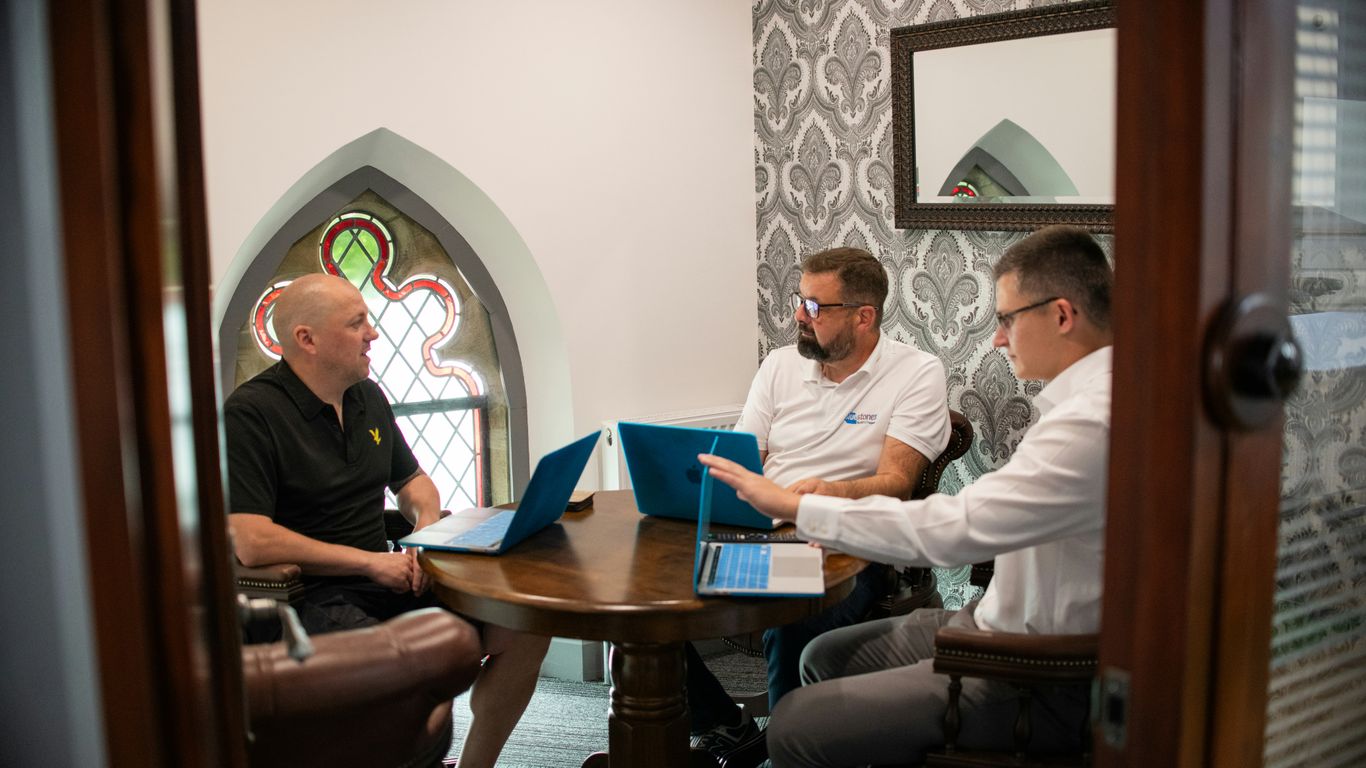
Right then, let’s talk about who you’re actually trying to reach. It sounds obvious, doesn’t it? But honestly, so many businesses just sort of throw their message out there and hope for the best. For us local Irish businesses, getting this bit right is pretty important. If you don’t know who you’re talking to, how can you expect them to listen?
Defining Your Ideal Customer Persona
Think about your best customers. What do they have in common? Are they young families in Cork looking for a reliable plumber? Or maybe retired couples in Galway wanting a cosy B&B experience? You need to get specific. Creating a customer persona is like drawing a detailed picture of your perfect customer. It’s not just about age and location, though. What are their hobbies? What problems are they trying to solve that you can help with? What social media platforms do they actually use? The more you know, the better you can tailor your message.
Here’s a quick way to start thinking about it:
- Demographics: Age, location (be specific – e.g., ‘South Dublin suburbs’), job title, income level.
- Psychographics: Interests, values, lifestyle, pain points (what keeps them up at night?).
- Behaviour: Where do they spend time online? What influences their buying decisions? What are their common search terms?
Knowing your customer persona inside out helps you make smarter decisions about everything, from the products you offer to the tone of your website copy. It stops you wasting time and money talking to people who will never buy from you.
Localised Content: Tapping into the Irish Market
Ireland isn’t just one big market. Dublin is different from Donegal, and Cork has its own vibe compared to Belfast. Your content needs to reflect that. Using local slang (carefully!), referencing local events, or even just showing pictures of familiar landmarks can make a big difference. People like to see themselves reflected in the content they consume. It builds trust and makes your business feel more approachable.
When you’re thinking about online advertising for Irish companies, remember that a generic ad won’t cut it. You need to show you understand the local context. For example, if you’re a cafe in Kilkenny, mentioning the upcoming Arts Festival in your social media posts or ads could really grab attention. It shows you’re part of the community, not just a business operating within it.
Consider these points for localised content:
- Local Dialect & Phrases: Use them sparingly and authentically. Overdoing it can sound forced.
- Community Events: Tie your content into local festivals, sports matches, or charity drives.
- Regional Specificity: Mention towns, counties, or well-known local spots where relevant.
- Irish Cultural References: Think about holidays, traditions, or even popular Irish TV shows that your audience might connect with.
Setting SMART Goals for Your Content Marketing
Right then, let’s talk about goals. You can’t just aimlessly create content and hope for the best, can you? It’s a bit like trying to bake a cake without a recipe – you might end up with something edible, but it’s unlikely to be what you intended. For your content marketing to actually help your Irish business, you need clear objectives. This is where SMART goals come in.
SMART is an acronym, and each letter stands for something important:
- Specific: What exactly do you want to achieve? Instead of ‘get more customers’, try ‘increase website enquiries from people in County Cork’.
- Measurable: How will you know if you’ve succeeded? This means having numbers. ‘Get 10 new enquiries’ is measurable.
- Achievable: Is this goal realistic for your business right now? Don’t aim for 10,000 new customers in a month if you’re a one-person operation.
- Relevant: Does this goal actually matter to your business? Does it align with your overall aims, like increasing sales or building brand awareness locally?
- Time-bound: When do you want to achieve this by? Setting a deadline, like ‘within the next three months’, adds urgency.
So, a SMART goal might look something like this: "Increase online bookings for our B&B by 15% from UK visitors within the next six months." See? It’s specific, you can measure the bookings, it’s probably achievable, it’s relevant to getting more guests, and it has a deadline.
Setting goals isn’t just about ticking boxes; it’s about giving your content efforts direction. Without them, you’re essentially just shouting into the void and hoping someone hears you. Clear goals help you focus your time and resources where they’ll make the most difference for your local business.
Think about what you want your content to do. Do you want more people to visit your shop? Do you want them to sign up for your newsletter? Do you want them to call you for a quote? Whatever it is, make it specific and give it a number and a date. This focus will make all the difference when you start creating and distributing your content.
The 12-Month Content Marketing Plan Template
Right then, let’s get down to brass tacks with a year-long plan. Think of this as your roadmap, guiding you through the sometimes-bumpy, but ultimately rewarding, world of content marketing. It’s not about doing everything at once; it’s about building momentum steadily.
Months 1-3: Foundation & Research
This initial phase is all about getting your bearings. You wouldn’t set off on a long drive without checking the map and making sure the car’s in good nick, would you? Same applies here. You need to really understand who you’re talking to and what they’re interested in. This means digging into your existing customer data, looking at what your competitors are up to, and generally getting a feel for the online conversation happening in your local area. It’s vital to define your ideal customer persona – who are they, what are their problems, and how can your business help? This research will inform everything else you do.
- Customer Audit: Survey recent customers about how they found you and why they chose you.
- Competitor Analysis: Look at what local rivals are doing well (and not so well) online.
- Keyword Research: Identify terms people in your area are searching for related to your business.
- Goal Setting: Pinpoint one or two primary marketing goals for the next 12 months.
This period is about laying solid groundwork. Skipping this step is like building a house on sand – it might look okay for a bit, but it won’t last.
Months 4-6: Content Creation & Initial Distribution
Now that you know who you’re talking to and what they care about, it’s time to start creating. Focus on producing content that directly addresses the needs and interests you uncovered during your research. This could be blog posts, short videos, infographics, or social media updates. Don’t aim for perfection straight away; aim for consistency and relevance. Start sharing this content on your chosen platforms. Think about where your ideal customers hang out online. Are they on Facebook, Instagram, LinkedIn, or perhaps local forums? Building an Irish brand online requires a strategic approach to distribution.
- Develop a Content Calendar: Plan out your topics and publishing schedule.
- Create Core Content: Produce blog posts, articles, or guides.
- Social Media Posts: Craft regular updates for your chosen platforms.
- Begin Distribution: Share your content across relevant channels.
Months 7-9: Amplification & Engagement
With a steady stream of content going out, it’s time to turn up the volume and get people talking. This is where you focus on promoting your content more widely and actively engaging with your audience. Think about running small, targeted ad campaigns to reach more people, collaborating with other local businesses or influencers, and responding to comments and messages promptly. The goal here is to build a community around your brand and encourage interaction. You want people to feel like they’re part of something.
- Paid Promotion: Experiment with small ad budgets to boost reach.
- Community Management: Respond to comments and messages quickly.
- Cross-Promotion: Partner with complementary local businesses.
- User-Generated Content: Encourage customers to share their experiences.
Months 10-12: Analysis, Refinement & Planning Ahead
As the year draws to a close, it’s time to look back at what worked and what didn’t. Analyse your website traffic, social media engagement, and sales data. Which content pieces got the most attention? Which channels drove the most leads? Use these insights to refine your strategy for the next year. Don’t be afraid to adjust your approach based on the data. This is an ongoing process. The 80/20 rule can be a good guide here: focus 80% of your effort on what’s proven to work and dedicate 20% to testing new ideas. Planning for the next 12 months should start now, building on the lessons learned.
Key Content Formats for Irish Businesses
When you’re planning out your content, it’s not just about what you say, but how you say it. Different formats work better for different messages and for reaching different people across Ireland. Think about what your potential customers are likely to be looking at and how they prefer to consume information.
Here are some of the most effective content formats to consider for your Irish business:
- Blog Posts: These are great for sharing in-depth information, tips, and industry insights. They help with search engine visibility and position you as an authority. For example, a local bakery could write about the history of traditional Irish breads or offer seasonal baking tips.
- Social Media Updates: Short, engaging posts for platforms like Facebook, Instagram, and LinkedIn are vital. Use eye-catching visuals and keep the text concise. Think about sharing behind-the-scenes glimpses of your business or highlighting customer testimonials.
- Videos: Whether it’s short explainer videos, customer testimonials, or a tour of your premises, video content is highly engaging. It helps build a personal connection with your audience. A local solicitor might create a short video explaining a common legal query.
- Infographics: These are excellent for presenting data or complex information in an easy-to-understand visual format. They’re highly shareable on social media.
- Case Studies: Showcasing successful projects or happy customers builds trust and demonstrates the real-world benefits of your products or services. This is particularly effective for B2B services.
- Email Newsletters: Keeping in touch with your existing customer base through regular newsletters is a good way to share updates, special offers, and new content. A well-maintained content calendar Ireland can help you schedule these consistently.
Choosing the right mix of formats depends on your specific business and your audience’s preferences. Don’t try to do everything at once; focus on a few formats that you can execute well and consistently. It’s about quality and relevance, not just quantity.
Consider how these formats can be integrated into your overall strategy. For instance, a blog post could be summarised into several social media updates, or a customer testimonial could be turned into a short video clip. This approach maximises the reach of your core messages and saves you time. You can find professional help to create tailored content strategies that drive business growth through specialised agencies.
Measuring Success and Adapting Your Strategy
So, you’ve put in the work, created some cracking content, and hopefully seen a bit of a buzz. But how do you actually know if it’s working? It’s not enough to just guess. We need to look at the numbers. Tracking your results is the absolute key to knowing what to do next. Think of it like this: if you’re driving, you need to check the sat-nav to see if you’re on the right road, right? Same here.
We’re talking about looking beyond just likes and shares. While those are nice, they don’t always pay the bills. We need to see if your content is actually bringing in customers and making you money. This is where a solid blog strategy for trades really shines, showing you what’s connecting with people who are ready to buy.
Here’s a breakdown of what to keep an eye on:
- Website Traffic: Are more people visiting your site? Where are they coming from? Tools like Google Analytics can show you this.
- Lead Generation: Are people filling out your contact forms, calling you, or signing up for your newsletter because of your content?
- Conversion Rates: Of the people who become leads, how many actually become paying customers? This is the real money metric.
- Engagement: Are people commenting on your blog posts, sharing your social media updates, or asking questions?
It’s also worth thinking about how you track offline actions. If someone mentions they saw your advert on a flyer or heard you on the radio, make sure you’re logging that. Asking every new customer, "How did you hear about us?" and noting it down can provide some really useful insights.
Don’t get bogged down in too many metrics. Pick a few that directly relate to your business goals and track them consistently. It’s better to have a clear view of a few important things than a fuzzy picture of everything.
If something isn’t working, don’t be afraid to change it. Maybe your blog posts aren’t getting read, or your social media isn’t getting much attention. That’s okay! It just means you need to tweak your approach. Perhaps try a different type of content, post at different times, or focus on a different audience segment. The goal is to learn from your data and make smarter decisions for the future, just like you’d refine your marketing case studies for better results.
For example, if you notice that blog posts about specific services are getting way more views and leads than general ones, then it’s a clear sign to create more of those. Or, if your Facebook ads are bringing in loads of clicks but no sales, it might be time to look at your ad copy, your targeting, or even the landing page people are sent to. This constant cycle of measuring, analysing, and adapting is what turns a good content plan into a great one that actually grows your business.
Keep an eye on how your efforts are paying off and be ready to switch things up if needed. It’s all about making smart moves to get the best results. Want to learn more about how we can help you track your progress and fine-tune your plan? Visit our website today!
Putting It All Together
So, there you have it. A year’s worth of marketing ideas, broken down month by month. It might seem like a lot at first, but remember, it’s not about doing everything perfectly from day one. It’s about having a plan, sticking to it as best you can, and learning as you go. Local businesses in Ireland have a real advantage in connecting with their communities, and this plan is designed to help you do just that. Don’t be afraid to tweak things, see what works for your specific customers, and most importantly, keep showing up. Consistent effort, even small steps each month, will build momentum and help your business grow. Good luck out there!
Frequently Asked Questions
Why should Irish small businesses bother with content marketing?
Content marketing is like telling your story to potential customers. For Irish businesses, it helps you stand out, connect with local people, and show them why you’re the best choice. It builds trust and brings people to your door, or website!
How do I know who my 'ideal customer' is in Ireland?
Think about who you most want to help. What are they like? What do they worry about? What do they want to achieve? Giving this person a name and a few details helps you create content that speaks directly to them.
What does 'localised content' mean for an Irish business?
It means making your content feel like it’s made just for people in Ireland, or even your specific town or county. Using local slang, talking about local events, or showing how your product helps with Irish weather makes it more relatable.
What are SMART goals, and why do I need them for my marketing?
SMART goals are goals that are Specific, Measurable, Achievable, Relevant, and Time-bound. Instead of ‘get more customers,’ a SMART goal is ‘get 10 new customer inquiries through our website in the next 30 days.’ This makes it clear what you’re aiming for and if you’ve hit the mark.
What's the difference between the first three months and the next three in a content plan?
The first few months are about laying the groundwork: figuring out who you’re talking to and what topics matter. Later months focus on actually creating and sharing that content, and then seeing how people react to it.
How can I make my content stand out from all the other ads Irish people see?
Be real! Use photos of your actual business and team, tell genuine customer stories, and create offers that are truly valuable and maybe have a local twist. Make sure your message is clear and grabs attention fast.
What kind of content works best for Irish businesses?
It depends on your business, but things like blog posts answering common questions, helpful videos, engaging social media updates, and customer testimonials often do really well. Think about what your customers would find useful or interesting.
How do I measure if my content marketing is actually working?
You look at the numbers! Are more people visiting your website? Are they spending more time there? Are they contacting you or buying from you? Tools like Google Analytics can show you this information.
Should I focus on paid ads or organic content first?
A mix is usually best. Paid ads can bring quick customers, like renting attention. Organic content (like blogs and social media posts) builds attention over time, like earning it. Start with ads for immediate cash, then build organic for long-term growth.
What are common mistakes Irish businesses make with their marketing budget?
Spreading the budget too thin across too many things, not tracking results properly, using generic messages that don’t connect locally, or not having clear goals. Also, forgetting to advertise on weekends can miss out on potential customers.
How important is it to have a clear offer in my marketing?
Very important! People need to know exactly what they’re getting and why it’s a good deal. Clearly showing the value, maybe with a special offer or a deadline, helps people make a decision to choose you.
Can I really get results with a small budget like €500?
Yes! Many successful Irish businesses started with small budgets. The key is being super focused on one clear goal, knowing exactly who you’re trying to reach, and using your money wisely on the right channels with a strong offer.