
So, you’re thinking about using Google Ads for your business here in Ireland? Smart move! It’s a great way to get your products or services in front of people who are actually looking for them. But, let’s be real, figuring out the money side of things, like how much to spend and where to put your budget, can feel a bit like trying to solve a Rubik’s Cube blindfolded. This article is all about making sense of advertising Ireland small business, giving you some straightforward tips to help your business get the most bang for its buck in the Irish market. We’ll go through the basics, no fancy jargon, just practical advice to help you get started and keep things running smoothly.
Key Takeaways
- Google Ads can really boost your online presence and sales.
- Using local keywords helps you connect with Irish customers.
- Ad extensions can make your ads more engaging and get more clicks.
- Always keep an eye on your campaign data to see what’s working.
- Partnering with local Google Ads services can give you an edge in the Irish market.
Understanding The Irish Advertising Landscape

Right then, let’s talk about getting your business noticed here in Ireland. It can feel a bit overwhelming when you first start looking into online advertising ireland, can’t it? You’ve got Google Ads shouting one thing, Facebook and Instagram another, and you’re just trying to figure out where your hard-earned cash is actually going to make a difference. It’s not just about getting clicks; it’s about getting customers through the door, or onto your website, ready to buy.
Paid Search Versus Paid Social: Different Objectives
Think of it like this: Paid Search, mainly Google Ads, is brilliant when someone is actively looking for what you offer. If you’re a plumber in Galway and someone searches "emergency plumber Galway," you want to be right there. They’ve got a problem, and they’re looking for a solution now. It’s all about intent. On the other hand, Paid Social, like Facebook and Instagram ads, is more about showing your business to people who fit your ideal customer profile, even if they aren’t actively searching at that moment. It’s great for building brand awareness, showing off your products visually, and telling your story. An Irish clothing boutique, for example, might use Instagram to showcase new arrivals to fashion-conscious users. Both are powerful, but they serve different purposes in your overall marketing strategy.
What PPC Really Means For Small Businesses
PPC stands for Pay-Per-Click. Simple as that. You only pay when someone actually clicks on your ad. No paying for just people seeing it (impressions), unless that’s part of a specific campaign goal. For small businesses, especially those just starting out with irish marketing for startups, this is a lifesaver. You can start with a small budget, see what works, and then scale up. It gives you quick visibility and, importantly, you get data straight away. You can see exactly what your money is doing, which is pretty handy when you’re trying not to waste a single euro.
Navigating The Paid Advertising Minefield
It’s easy to get lost in all the options. You see big companies spending fortunes, and you wonder how you can possibly compete. But the truth is, with a bit of smart planning, even a small budget can work wonders. The key is to understand where your potential customers are spending their time online and what they’re looking for. Don’t just jump into the first platform you hear about. Take a moment to think about your business and who you’re trying to reach. For instance, if you offer a very visual product, platforms like Instagram might be a better starting point than just focusing on Google search. It’s about making informed choices, not just following the crowd. Many Irish retailers are finding success by carefully selecting their platforms and tailoring their message, which is a good lesson for us all.
The Irish advertising market is competitive, but with the right approach, small businesses can carve out a significant space. It’s about being smart with your budget and understanding where your customers are looking for you.
Strategic Budget Allocation For Irish Small Businesses
So, you’ve got a budget, and you want to make it work for your business here in Ireland. That’s the first big step. It’s not just about having money to spend; it’s about spending it wisely. We’re talking about smart budget marketing strategies Ireland businesses can actually use to see real results. Think of it like planning a trip – you wouldn’t just book random flights and hotels, right? You’d figure out where you want to go, what you want to do, and then allocate your funds accordingly. Advertising is much the same.
The 70-20-10 Framework For Maximum Impact
This is a popular way to split your advertising budget. It suggests putting 70% of your money into tried-and-tested methods that you know work, 20% into newer, promising strategies, and 10% into experimental ideas. For a small business, this might look like:
- 70%: Focus on channels that have a proven track record for your type of business or industry. If you’re a local service provider, this might be Google Ads targeting specific local searches. If you sell products, it could be social media ads that have previously driven sales.
- 20%: Explore emerging platforms or new campaign types within existing platforms. Perhaps you’ve seen success on Facebook but haven’t tried Instagram Reels ads, or you’re looking into local SEO services to complement your paid search efforts.
- 10%: This is your ‘what if?’ money. It could be testing a completely new social media platform, experimenting with influencer marketing on a small scale, or trying out a different ad format you haven’t used before.
This approach helps you keep the lights on with reliable income streams while still leaving room to discover what might be the next big thing for your business. It’s about balancing stability with innovation.
Matching Channel Selection To Customer Intent
People use the internet for different reasons. Sometimes they know exactly what they want, and other times they’re just browsing. Your advertising needs to match this intent. Think about where your potential customers are in their buying journey:
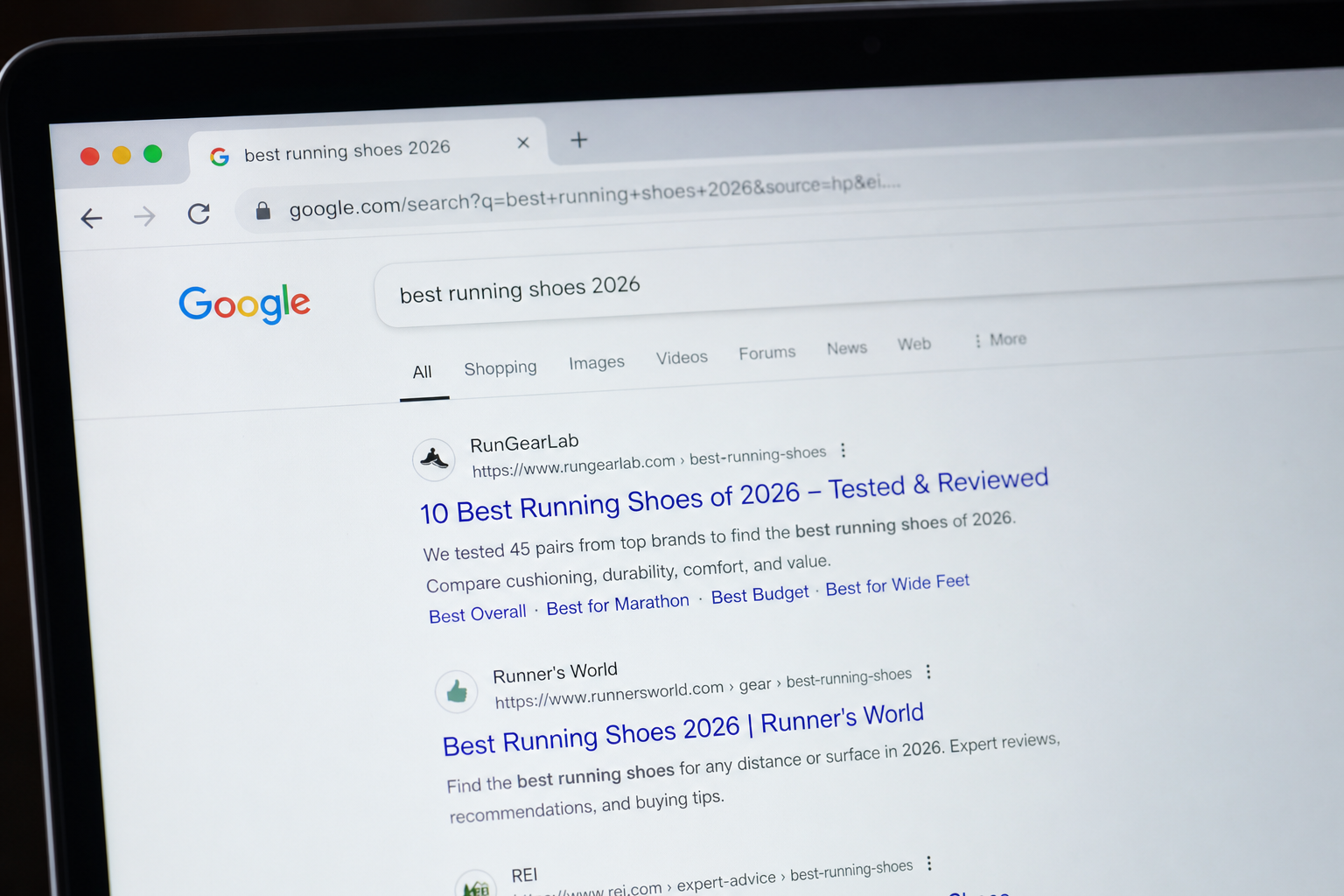
- High Intent (Ready to Buy): These are people actively searching for a solution you offer. They’re typing things like "emergency plumber Dublin" or "buy running shoes online Ireland." Google Search Ads are brilliant here because you’re showing your ad right when they’re looking. This is often where you’ll see the quickest return on investment.
- Medium Intent (Considering Options): They might be researching solutions, comparing services, or looking for information. They could be searching for "best accounting software for small business" or "how to choose a wedding photographer." Here, content marketing, informative blog posts, and social media ads that highlight benefits can work well. You’re helping them make a decision.
- Low Intent (Awareness/Interest): These individuals might not be actively looking to buy right now, but they could be interested in your industry or brand. They might be scrolling through Instagram, watching YouTube videos, or browsing Facebook. This is where brand awareness campaigns on platforms like Meta (Facebook/Instagram) or even TikTok can be effective. You’re planting a seed for future purchases.
Understanding this helps you avoid wasting money showing ads for immediate purchases to people who are just starting their research. It’s about being in the right place at the right time with the right message.
Budgeting For Immediate Cash Flow And Long-Term Growth
It’s a balancing act, isn’t it? You need sales now to pay the bills, but you also need to build a sustainable business for the future. Your advertising budget needs to serve both.
- Immediate Cash Flow: For quick wins, focus on channels that drive immediate action. This usually means paid search (like Google Ads) where people are actively looking for what you offer. Campaigns designed for direct response – getting a phone call, a quote request, or an online sale – are key here. Think about offers that create urgency, like limited-time discounts or free consultations.
- Long-Term Growth: This is where you build brand recognition and customer loyalty. This might involve social media marketing to build a community, content marketing to establish yourself as an authority, or SEO to ensure people find you organically over time. While these might not bring in sales today, they build a foundation for consistent business down the line. It’s about building assets for your business.
A common mistake is to only focus on immediate sales, forgetting that brand building and customer relationships are what keep a business thriving year after year. A smart budget allocates funds to both immediate needs and future potential, creating a more resilient business model. For example, a small coffee shop might run Google Ads for immediate foot traffic while also posting engaging content on Instagram to build a loyal local following.
By strategically dividing your budget, you can ensure your business gets the immediate boost it needs while also investing in its future success. It’s about making every euro count, whether it’s for today’s sales or tomorrow’s growth. If you’re looking for more insights into effective marketing, check out these articles on mastering marketing strategies.
Maximising Google Ads Effectiveness In Ireland
So, you’re ready to get serious with Google Ads here in Ireland? That’s brilliant. It’s a powerful tool, but you’ve got to use it right to see the best results. It’s not just about setting up a few ads and hoping for the best; it’s about being smart with your approach. Let’s look at how to really make your Google Ads work for you.
Leveraging High-Intent Keywords For Better Conversions
Think about what people type into Google when they’re ready to buy. These are your high-intent keywords. Instead of broad terms like "shoes", you want to focus on things like "buy running shoes Dublin" or "best waterproof hiking boots Ireland". These phrases show that someone isn’t just browsing; they’re looking to make a purchase. Focusing on these specific terms means you’re showing your ads to people who are much more likely to become customers. It’s about quality over quantity when it comes to keywords. You want to attract people who are actively searching for what you offer right now.
The Power Of Hyper-Local Campaigns
For many small businesses in Ireland, especially those with a physical location, being local is key. Google Ads lets you get really specific with where your ads show up. You can target specific counties, cities, or even a radius around your business. This means you’re not wasting money showing ads to people who are too far away to visit or use your services. For example, a bakery in Galway should focus its ads on people searching within Galway and the surrounding areas. This hyper-local approach makes your advertising budget go further and attracts customers who are genuinely nearby.
Here’s a quick look at how you can target locally:
- Target specific counties or cities: Focus your ads on areas where your customers are.
- Exclude areas where you don’t operate: Don’t waste money showing ads where you can’t serve.
- Use radius targeting: Reach customers within a certain distance of your business.
Understanding AI Bidding And Responsive Search Ads
Google Ads is always getting smarter, and two big areas where this shows are AI bidding and Responsive Search Ads. AI bidding uses machine learning to automatically adjust your bids to help you reach your goals, whether that’s more clicks or more conversions. It takes a lot of the guesswork out of setting bids. Responsive Search Ads are similar; you provide multiple headlines and descriptions, and Google mixes and matches them to create the best ad for each search. This constant testing and optimisation by Google helps ensure your ads are shown in the most effective way possible. It’s worth exploring these features to see how they can improve your campaign performance. You can find more tips on optimizing your ad spend.
It’s easy to get lost in all the settings and options within Google Ads. The key is to remember that the platform is designed to help you connect with potential customers. By focusing on clear goals, understanding your audience, and using the tools Google provides, you can make your advertising budget work much harder for your business in Ireland.
Optimising Your Google Ads Budget
So, you’ve got your Google Ads campaigns up and running, but are you actually getting the best return for your money? It’s not just about spending; it’s about spending smart. Let’s talk about how to make your Google Ads budget work harder for your Irish business.
Typical Monthly Spend For Irish Businesses
What you spend can vary wildly, depending on your industry and goals. For instance, a local plumber might spend around €350 on Google Ads targeting people searching for emergency repairs, while a professional service like an accountant might put €400 into Google Ads for high-intent searches. E-commerce businesses often split their budget, perhaps €150 on Google Shopping for product searches. It’s about matching spend to what you want to achieve. Remember, a €500 budget spread over 30 days is about €16.67 a day, but it’s often better to start a bit higher, say €25-€30 daily for the first week, to get data faster and then adjust.
Continuous Campaign Analysis For ROI
Don’t just set your campaigns and forget them. That’s a surefire way to waste money. You need to keep an eye on what’s happening. Key metrics to watch include:
- Click-Through Rate (CTR): How many people see your ad and click on it? A low CTR might mean your ad isn’t relevant to the search.
- Conversion Rate: Of those who click, how many actually do what you want them to do, like buy something or fill out a form?
- Cost Per Acquisition (CPA): How much does it cost you to get one customer or lead?
Looking at these numbers helps you see what’s working and what’s not. If a keyword isn’t bringing in customers, maybe it’s time to pause it or change how you’re targeting it. If an ad is getting lots of clicks but no conversions, the problem might be with your landing page. Regularly reviewing your performance is key to improving your return on investment.
| Metric | Current Performance | Action Needed |
|---|---|---|
| Keyword A | Low Conversions | Pause or refine keyword targeting |
| Ad Copy B | High CTR | Create similar ad variations |
| Geographic Area | Low Engagement | Adjust geographic targeting |
Understanding Seasonal Trends For Irish Businesses
Ireland has its own rhythm, and so do consumer habits. Think about when your business is busiest. Are you swamped around Christmas? Do people suddenly need your services more in the summer? Understanding these seasonal trends helps you adjust your ad spend. You might want to increase your budget leading up to peak seasons and perhaps scale back slightly during quieter periods. It’s also worth looking at what your competitors are doing. Are they ramping up their ads for St. Patrick’s Day or the summer holidays? Knowing this can give you an edge. By aligning your campaigns with seasonal demand, you can make sure your budget is spent when it’s most likely to bring in customers. This is a smart way to manage your Google Ads budget effectively throughout the year.
Choosing The Right Platforms For Your Budget
Right then, so you’ve got a budget, and you’re wondering where to actually put it. It’s a bit like standing in a sweet shop, isn’t it? So many options, and you don’t want to end up with a bag full of stuff you don’t really like.
Google Ads for Service Businesses and Local Searches
If you’re running a service business, or if people need to find you locally – think plumbers, electricians, hairdressers, that sort of thing – then Google Ads is probably your best mate. Why? Because when someone types "emergency plumber Dublin" into Google, they’re not just browsing; they’re looking to buy or hire right now. They’ve got intent. You want to be there when they’re actively searching for what you offer. It’s brilliant for local searches, especially if your business is tied to a specific area. You can get really specific with your targeting, making sure your ads show up for people in your town or county. For businesses where the customer lifetime value is pretty decent, putting a good chunk of your budget here makes sense. We’re talking maybe €250 to €350 of a smaller budget, for instance.
Meta Ads for Visual Marketing and Brand Awareness
Now, if your business is more about the visuals – think restaurants with gorgeous food photos, fashion brands, or maybe you’re promoting an event – then Meta (that’s Facebook and Instagram, by the way) is where you’ll want to play. It’s less about people actively searching for you and more about getting them to discover you. It’s great for building brand awareness and showing off what you do. Ireland has a massive number of people on these platforms, so there’s a big audience to tap into. You can get your ads in front of people based on their interests, age, and where they live. It’s often more cost-effective for reaching a lot of people, so maybe €200 to €300 could get you quite far here, especially if you’ve got eye-catching images or videos. Remember, a mobile-friendly website is key, as most people are browsing on their phones these days prioritize a mobile-friendly and accessible website.
LinkedIn for B2B Professional Services
If you’re in the B2B world – selling services to other businesses, like accounting, consulting, or corporate training – then LinkedIn is your hunting ground. It’s where the professionals are. You can target people by their job title, industry, and company size. It’s a bit pricier than Meta or Google, so you’ll need a slightly bigger chunk of your budget, maybe €300 to €400, to really make an impact. But if you’re trying to reach decision-makers in other companies, it’s hard to beat.
Choosing the right platform isn’t just about where you want to advertise; it’s about where your potential customers are actually looking for solutions like yours. Trying to be everywhere with a small budget often means you end up being nowhere effectively.
Here’s a quick look at how you might split a smaller budget, say €500, focusing on intent:
| Platform | Best For | Typical Budget Allocation | Primary Goal |
|---|---|---|---|
| Google Ads | Service businesses, local searches, high intent | €250 – €350 | Direct Conversions |
| Meta Ads | Visual products, brand awareness, retail | €200 – €300 | Discovery, Engagement |
| B2B services, professional networking | €300 – €400 (minimum) | Lead Generation |
Crafting Compelling Ad Copy And Landing Pages
Right, so you’ve got your budget sorted and you know where you want to spend it. Brilliant. But what are you actually going to say to people, and where are you going to send them when they click? This is where a lot of small businesses trip up. It’s not enough to just have an advert; it needs to grab attention and then actually do something useful when someone lands on your page.
Writing Ad Copy That Resonates With Irish Consumers
Think about it – people in Ireland see thousands of ads every single day. Yours needs to stand out. What’s the quickest way to do that? Speak directly to them. Instead of generic waffle, try to be specific. If you’re a plumber in Cork, don’t just say "Plumbing Services". Try something like, "Leaky tap in Cork? We fix it fast. Call us now for a free quote." See the difference? It’s local, it’s direct, and it tells them exactly what you do and what to do next.
Here’s a bit of a structure that often works:
- Hook: Grab their attention straight away. Mention a problem they have or a desire they want. For example, "Tired of a messy kitchen?"
- Proof: Show them you’re legit. This could be a quick mention of your experience, a customer result, or a special qualification. "Our insured team cleans while you’re at work."
- Offer: What are you actually giving them? Be clear about the benefit and any special deals. "First clean €45 (normally €75)."
- Action: Tell them precisely what to do. "Book your Friday slot before the month-end."
Irish consumers often appreciate offers that reduce risk. Things like free consultations, money-back guarantees, or a complimentary first step can make a big difference in getting that click.
Designing Landing Pages That Convert Visitors
So, they clicked your ad. Great! Now, what happens? Your landing page is like the shop floor for your online business. It needs to be clean, easy to understand, and make it simple for people to become customers. The most important thing is that the landing page delivers on the promise made in the ad. If your ad says "Free Quote", the page needs to make getting that quote super easy.
What makes a good landing page?
- Speed: It has to load fast, especially on mobile. Nobody waits around for slow pages.
- Clarity: The headline should match the ad. People should know immediately they’re in the right place.
- Contact: Make it obvious how to get in touch. A phone number that people can click to call, or a simple contact form, should be right there.
- Relevance: Only include information directly related to the ad they clicked. Don’t overwhelm them with everything you do.
If you’re a local service, make sure your address and a map are easy to find. It builds trust and helps people who want to visit you in person. Remember, the goal is to make it as easy as possible for someone to take the next step, whatever that might be for your business.
The Importance Of Mobile Optimisation
Seriously, if your website or landing page isn’t great on a phone, you’re probably wasting money. Most people in Ireland browse and even buy things on their mobile devices. That means your pages need to look good and work perfectly on a small screen. Buttons need to be big enough to tap, text needs to be readable without zooming, and forms should be easy to fill out. Think about how you use your phone – if something is fiddly or slow, you usually just give up, right? Your potential customers are no different. Making sure your online presence is mobile-friendly isn’t just a nice-to-have; it’s pretty much essential these days.
Measuring Success And Driving Growth
Right, so you’ve put your ads out there, spent some money, and now what? It’s easy to just let things run, but that’s not really how you get ahead, is it? You’ve got to actually see what’s working and what’s just… well, costing you money.
Setting Crystal-Clear Marketing Goals
Before you even think about spending a euro, you need to know what you’re trying to achieve. Are you looking for more people to call you? More website visits? Or maybe you just want more people to buy something right now. Having a clear goal, like "increase online sales by 15% this quarter," makes it much easier to figure out if your ads are actually doing their job. Without a target, you’re just shooting in the dark.
Analysing How Customers Currently Find You
This is a bit like being a detective for your own business. You need to ask yourself, and more importantly, your customers, how they found out about you. Did they see a Facebook ad? Did they search on Google? Maybe a friend told them. You can do this by simply asking at the point of sale, or if you have a website, tools like Google Analytics can show you where your visitors are coming from. It’s about understanding the path they took to become a customer.
Transforming Your Budget Into A Growth Engine
This is where the magic happens, or at least, where you make your money work harder. Once you know what’s working, you can put more money into those areas and less into the things that aren’t. It’s about being smart with your cash.
Here’s a simple way to think about it:
- What’s working well? Double down. If Google Ads are bringing in loads of sales, maybe spend a bit more there.
- What’s okay, but not amazing? Tweak it. Maybe the ad copy needs a refresh, or the targeting is a bit off.
- What’s a complete flop? Cut it. Don’t keep throwing good money after bad.
The key is to look at the actual results, not just how many people clicked an ad. Did that click turn into a sale? Did it lead to a phone call? That’s the real measure of success for a small business.
Think of your advertising budget not just as an expense, but as an investment. By tracking what works and adjusting your spending accordingly, you can turn that investment into real growth for your business. It’s an ongoing process, not a one-off task. Keep an eye on things, make changes, and watch your business grow.
Leveraging Local Expertise For Advertising Ireland Small Business
Trying to figure out the best way to advertise your small business in Ireland can feel like a puzzle. You’ve got your budget, your product or service, and a whole country to reach. But who actually knows what works best for businesses right here on the Emerald Isle? That’s where local know-how really comes into play.
Partnering With Local Google Ads Services
Going it alone with Google Ads can be tough, especially if you’re not a marketing expert. These agencies have the knowledge and experience to help you get the most out of your campaigns. They can help with everything from keyword research and ad creation to bid management and performance tracking. Plus, they’ll be up-to-date with all the seasonal trends for Irish businesses and changes in the Google Ads platform, so you don’t have to be. Working with a local agency means they understand the Irish market and can tailor your campaigns to resonate with Irish customers. They can also help you navigate the complexities of Google Ads and ensure you’re getting the best possible return on your investment. Want to get better at managing your Google Ads money in Ireland? Our guide shares smart ways to make your budget work harder for you. Learn how to get more for your money and see your ads do better. Ready to improve your ad game? Get a free quote today and let’s chat about how we can help! So, there you have it. Google Ads can really help Irish businesses grow and reach more customers. By understanding what local folks want and using the right keywords, you can create ads that actually connect. Remember, it’s all about testing and tweaking things to see what works best. With a bit of effort, Google Ads can be a real game-changer for your business.
Understanding The Nuances Of The Irish Market
What works in Dublin might not hit the mark in Galway, and vice versa. Local advertising tips Ireland businesses can use often involve tapping into regional pride or specific local events. For instance, a business in Cork might find success by referencing local landmarks or sports teams in their ads. Understanding these subtle differences is key to making your message stick. It’s about speaking the language of the people you want to reach, not just in terms of dialect, but in cultural references too. This is where local expertise shines, helping you avoid generic campaigns that fall flat.
Ensuring The Best Possible Return On Investment
When you’re working with a limited budget, every euro counts. Local experts can help you identify the best places to advertise in Ireland for your specific business. They know which SME advertising channels Ireland businesses are using effectively and which ones offer the best bang for your buck. This means you’re not wasting money on platforms that won’t deliver results. They can also help you set up tracking properly, so you know exactly where your leads are coming from and how much they’re costing you. This data is gold for making smart decisions about where to advertise in Ireland and refining your small business advertising ideas Ireland campaigns for maximum impact. Focusing on one primary channel for success is often the smartest move when starting out, and a local expert can guide you to the right one.
Local knowledge isn’t just about knowing the geography; it’s about understanding the consumer behaviour, the economic climate, and the competitive landscape specific to Ireland. This insight allows for more targeted and effective advertising strategies, ultimately saving you money and time.
Key Considerations For A €500 Advertising Budget
Right, so you’ve got a €500 budget to play with for advertising in Ireland. It might not sound like a lot, especially when you see bigger companies splashing out thousands, but don’t let that put you off. Loads of successful Irish small businesses started out with even less, and they made it work. The trick isn’t just the amount of money; it’s how smartly you use it.
Is A €500 Budget Sufficient For Paid Advertising?
Honestly, yes, it can be, but only if you’re realistic about what you want to achieve. Think of paid ads like renting a shop window. You pay, people see you, but when you stop paying, the visibility goes. It’s brilliant for getting customers through the door now, which is exactly what a smaller budget is good for. It’s not going to build you a massive, long-term organic following overnight, but it can definitely generate some much-needed cash flow.
Real-World Examples Of Small Budgets Driving Revenue
We’ve seen it happen. Take a small coffee shop in Dublin, for instance. They put €500 into ads and within a month, they’d brought in 47 new customers, making nearly €1,900 back. That’s a pretty decent return, right? And the best part? They used some of that profit to boost their local search engine optimisation, which kept bringing in customers even after the ad spend stopped. It’s about using that initial boost to fund more sustainable growth.
Focusing On One Primary Channel For Success
With €500, you absolutely cannot afford to spread yourself too thin. Trying to be everywhere at once is a surefire way to waste your money. You need to pick one main place to focus your efforts. Where do your customers actually hang out and look for what you offer?
- Google Ads: If people are actively searching for services like yours (think "emergency plumber Dublin" or "accountant near me"), Google is your best bet. It’s great for businesses where the sale is usually over €200.
- Meta Ads (Facebook & Instagram): These are fantastic if you’ve got a visual product or service – like a restaurant, a boutique, or a beauty salon. They’re generally cheaper per click than Google, so you can get more eyes on your stuff.
- LinkedIn: If you’re selling professional services to other businesses (B2B), LinkedIn is the place to be, but it’s pricier. You’ll need a good chunk of your budget here to see results.
Don’t forget a small portion, maybe €50-€75, should be set aside for retargeting. This means showing ads again to people who have already visited your website. They’ve shown interest, so bringing them back is often much cheaper than finding completely new customers.
So, for €500, you’re probably looking at putting around €350 into your main channel, maybe €100 into a secondary one for a bit of extra reach, and keeping €50 for testing or retargeting. It’s all about being smart and focused.
Thinking about how to spend around €500 on ads? It’s a common question for businesses just starting out. Making sure your money works hard for you is key. We can help you figure out the best way to get the most bang for your buck. Visit our website to learn more about smart advertising choices.
Frequently Asked Questions
What is PPC advertising, and why is it good for small businesses?
PPC stands for Pay-Per-Click. It means you only pay when someone actually clicks on your ad. This is great for small businesses because you don’t pay for just showing your ad; you pay for people showing interest. You can start with a small amount of money, see your ads quickly, and learn what works best without spending a fortune.
How much money should a small business in Ireland typically spend on Google Ads each month?
The amount varies a lot! Some small Irish businesses start with around €100 to €500 each month. If you want to reach more people or are in a busy industry, you might spend between €1,000 and €5,000 monthly. It really depends on your business, what you’re selling, and what you want to achieve.
Is it better to use Google Ads or Meta (Facebook/Instagram) Ads?
They do different jobs. Google Ads are best when people are actively searching for something you offer, like ‘plumber near me’. Meta Ads are good for showing your products or services to people who fit your customer profile, even if they aren’t searching right now, especially if you have great photos or videos.
Can I really get results with a small budget like €500 for advertising?
Yes, you absolutely can! While bigger companies spend more, a €500 budget can work if you’re very focused. The key is to pick one main goal, choose the best place to advertise (like Google Ads for services), and make sure your ads and website are really good. Many successful Irish businesses start with less than €1,000.
What does 'customer intent' mean when choosing an advertising platform?
Customer intent means how ready someone is to buy something. High intent means they are actively looking for what you offer, like searching on Google. Low intent means they might be interested but aren’t actively searching, which is more common on social media. You want to match your advertising to where your customers are in their buying journey.
Why is local targeting important for Irish small businesses?
Local targeting helps you show your ads to people who are physically near your business. For example, a cafe in Galway should show ads to people in Galway. This is super important because customers are more likely to visit or buy from a business they can easily reach. It stops you from wasting money advertising to people who can’t become your customers.
How do seasonal trends affect my advertising budget in Ireland?
Irish consumers buy different things at different times of the year. Think about Christmas shopping or summer holidays. You should plan to spend more on ads when people are most likely to be looking for your products or services. For example, a shop selling Christmas decorations should boost its ads in the months before Christmas.
Should I hire a local agency to manage my Google Ads?
Hiring a local agency can be very helpful. They understand the Irish market and what works for Irish customers. They know how to set up campaigns, find the right keywords, and manage your budget to get you the best results, saving you time and potentially a lot of money from mistakes.